Thread Lift in Korea: Your Complete Non-Surgical Face Lift Guide 2025
Looking for a way to turn back the clock without going under the knife? Thread lifting has become one of the most popular anti-aging treatments in Korea, offering impressive results with minimal downtime. In this comprehensive guide, we cover everything you need to know about getting a thread lift in Seoul.
What is Thread Lifting?
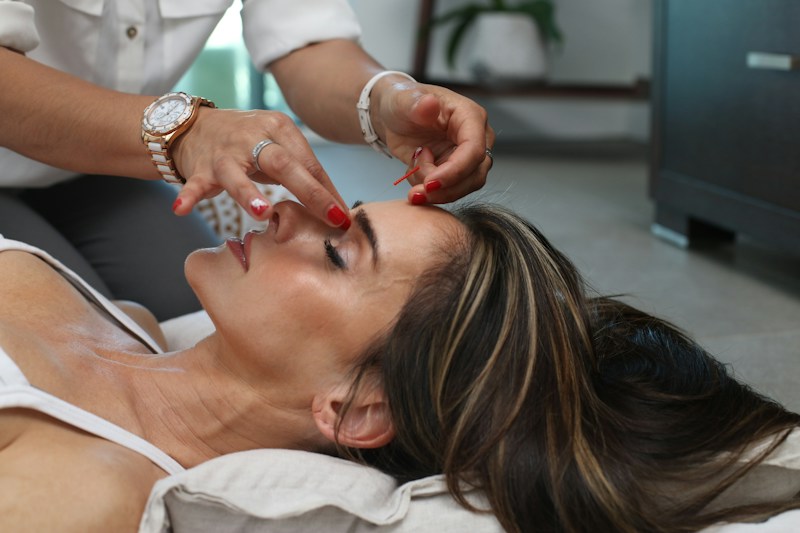
Thread lifting is a minimally invasive cosmetic procedure that lifts and tightens sagging skin using medical-grade dissolvable threads. During the procedure, thin threads are inserted beneath the skin using fine needles or cannulas. These threads anchor into the soft tissue and provide an immediate lifting effect while also stimulating collagen production over time.
The procedure takes approximately 30-60 minutes depending on the treatment area and is performed under local anesthesia. Unlike traditional facelifts that require incisions and significant recovery time, thread lifts allow you to return to most daily activities within a few days.
Korea has pioneered many thread lifting techniques and is home to some of the world's most experienced practitioners. The combination of advanced technology, competitive pricing, and high standards makes Seoul a top destination for this treatment.
Considering a thread lift in Seoul? Keep reading to discover the best clinics, exact pricing, and insider tips for optimal results.
Types of Threads by Material
Understanding thread materials is crucial for choosing the right treatment. Each material offers different benefits and longevity.
PDO Threads (Polydioxanone)
PDO is the most commonly used thread material in Korea. These absorbable threads have been used in surgery for decades and are known for their excellent safety profile. PDO threads typically dissolve within 6-9 months, but the collagen stimulation they trigger can extend results up to 2-3 years.
Best for: First-time patients, mild to moderate sagging, budget-conscious individuals
PLLA Threads (Poly-L-Lactic Acid)
PLLA threads provide longer-lasting results, typically maintaining their effects for 18-24 months. They are particularly effective at stimulating collagen production and work well for patients with moderate skin laxity.
Best for: Moderate sagging, patients seeking longer-lasting results
PCL Threads (Polycaprolactone)
PCL threads offer the longest duration among absorbable threads, lasting 2-3 years. They are softer and more flexible than PDO, making them ideal for delicate areas. PCL threads also provide superior collagen stimulation.
Best for: Maximum longevity, patients with thinner skin, comprehensive facial rejuvenation
Types of Threads by Function
Beyond material, threads are also categorized by their structural design and purpose.
Mono Threads
Mono threads are smooth, single-strand threads without barbs or cogs. They are inserted in a mesh-like pattern to create a supportive scaffold under the skin. While they do not provide significant lifting, they excel at improving skin texture and elasticity through collagen stimulation. Treatments typically use 20-100 threads per session.
Primary use: Overall skin tightening, improving skin quality, neck rejuvenation
Cog Threads (Barbed Threads)
Cog threads feature small barbs or hooks along their length that grip the tissue and create an immediate lifting effect. These are the workhorses of thread lifting, providing the most dramatic visible results. The barbs anchor into the subcutaneous layer, allowing the practitioner to pull and reposition sagging tissue.
Primary use: V-line jaw contouring, nasolabial folds, jowl lifting, mid-face lifting
Screw Threads
Screw threads consist of one or two mono threads intertwined in a spiral pattern. This design increases the surface area and enhances volumizing effects. They are excellent for adding fullness to hollow areas and stimulating robust collagen production.
Primary use: Volume restoration, hollow cheeks, under-eye area, forehead lines
Popular Treatment Areas
Thread lifts in Korea can address multiple facial concerns:
- Full face lift: Comprehensive treatment targeting cheeks, jowls, and jawline
- Mid-face lift: Cheeks and nasolabial folds
- Lower face and jowls: V-line contouring and jawline definition
- Brow lift: Non-surgical brow elevation
- Fox eye lift: Lifting outer eye corners for an almond shape
- Neck lift: Addressing neck bands and sagging
- Nose lift: Non-surgical nose tip elevation
How Long Do Results Last?
Results vary based on thread type, individual factors, and lifestyle:
| Thread Type | Duration | Peak Results |
|---|---|---|
| PDO | 12-18 months | 3-6 months post-treatment |
| PLLA | 18-24 months | 4-6 months post-treatment |
| PCL | 24-36 months | 4-8 months post-treatment |
The threads themselves dissolve over time, but the collagen matrix they stimulate continues providing benefits. Most patients notice the best results 3-6 months after the procedure when collagen production peaks.
Ready to book your thread lift consultation? Seoul clinics offer free consultations with English-speaking staff.
Thread Lift Prices in Korea (2025)
Korea offers significant savings compared to Western countries, where similar procedures cost $3,000-$5,000 or more.
Price Ranges by Treatment
| Treatment | Price Range (KRW) | Price Range (USD) |
|---|---|---|
| Basic PDO thread lift (per area) | 200,000 - 500,000 | $150 - $370 |
| MINT Lift (PDO) | 59,000 - 150,000 per thread | $40 - $110 |
| Mid-face thread lift | 800,000 - 1,500,000 | $590 - $1,100 |
| Fox eye thread lift | 900,000 - 2,000,000 | $670 - $1,480 |
| Full face thread lift | 2,500,000 - 5,000,000 | $1,850 - $3,700 |
| Premium PCL/PLLA threads | 1,500,000 - 3,500,000 | $1,100 - $2,600 |
The average price for thread lifting in Korea is approximately 554,000 KRW ($410), though this varies widely based on treatment scope. Most Korean clinics include anesthesia, aftercare, and consultation in their pricing.
What Affects the Price?
- Thread material: PCL and PLLA cost more than PDO
- Number of threads: More threads mean higher costs
- Treatment area: Full face costs more than single areas
- Clinic reputation: Premium clinics charge more
- Practitioner experience: Specialists command higher fees
Best Thread Lift Clinics in Seoul
Haru Clinic (Gangnam)
Specializing in Haru Lift using MFDS-approved PDO and PLLA threads. Known for natural-looking results and English-speaking staff catering to international patients.
B.V Clinic (Sinnonhyeon)
Led by Dr. Suh with over a decade of specialized thread lift experience. Uses FDA and KFDA-approved MINT Threads and premium PDO barbed threads.
Pang Pang Clinic (Seocho-gu)
A clinic focused exclusively on thread lifting procedures. Their specialization means extensive experience and refined techniques.
HERSHE Plastic Surgery
A private multi-specialty medical center operating since 1992. Offers comprehensive facial rejuvenation including thread lifts performed by experienced plastic surgeons.
The Procedure Experience
Before Treatment
- Consultation: Discuss goals, assess skin condition, determine thread type and quantity
- Preparation: Remove makeup, cleanse treatment area
- Marking: Doctor marks insertion points and lifting vectors
- Anesthesia: Local anesthetic applied via injection or topical cream
During Treatment
- Small entry points are created using fine needles
- Threads are inserted using cannulas along predetermined paths
- Threads are positioned and anchored at target depth
- Lifting is achieved by gentle manipulation
- Excess thread is trimmed, entry points are dressed
The entire process typically takes 30-60 minutes.
Immediately After
You will notice immediate lifting, though some swelling may mask final results. Most patients can return home within an hour of completing the procedure.
Recovery and Aftercare
First Week
- Mild swelling, bruising, and tenderness are normal
- Avoid sleeping face-down; sleep on your back
- No strenuous exercise or heavy lifting
- Skip saunas, swimming pools, and hot baths
- Avoid alcohol and smoking
- Eat soft foods to minimize jaw movement
First Month
- Avoid facial massages and facial treatments
- Do not rub or apply pressure to treated areas
- Continue sleeping on your back when possible
- Stay out of direct sunlight; use SPF 50+ sunscreen
Long-term Care
- Maintain a healthy skincare routine
- Consider maintenance treatments every 12-18 months
- Protect skin from sun damage
- Stay hydrated and maintain a healthy lifestyle
Risks and Side Effects
Thread lifting is generally safe when performed by qualified practitioners. However, potential side effects include:
Common (usually temporary):
- Swelling and bruising (1-2 weeks)
- Mild pain or discomfort
- Pulling or tightness sensation
- Temporary dimpling at entry points
Less Common:
- Asymmetry (may require adjustment)
- Thread visibility or palpability
- Infection (rare with proper technique)
- Thread migration
- Prolonged numbness
Important: Always choose a clinic that uses genuine, certified threads. Some low-cost clinics may use non-authentic products, increasing complication risks.
Frequently Asked Questions
How painful is a thread lift?
Most patients report mild discomfort during the procedure. Local anesthesia keeps pain manageable, and any post-procedure discomfort typically resolves within a few days with over-the-counter pain medication.
Am I a good candidate for thread lifting?
Ideal candidates are aged 30-60 with mild to moderate skin sagging. Thread lifts work best for those not ready for surgical intervention but seeking visible lifting results. Severe sagging may require surgical options.
Can I combine thread lifting with other treatments?
Yes, thread lifts are often combined with Botox, fillers, or skin boosters for comprehensive rejuvenation. Your doctor can recommend the best combination based on your goals.
How many threads do I need?
This depends on the treatment area and desired results. A typical full-face lift uses 8-16 cog threads, while skin tightening may use 50-100 mono threads.
When will I see final results?
Immediate lifting is visible, but optimal results appear at 3-6 months when collagen production peaks. Results continue improving as threads stimulate new collagen formation.
How often should I repeat the treatment?
Most patients benefit from maintenance treatments every 12-24 months, depending on thread type and individual factors.
Medical Disclaimer
This article is for informational purposes only and does not constitute medical advice. Thread lifting is a medical procedure that carries risks. Always consult with a qualified medical professional before undergoing any cosmetic treatment. Results vary between individuals, and outcomes cannot be guaranteed. The information provided reflects general practices and pricing as of 2025 and may change over time.
Planning your thread lift journey in Korea? Start by scheduling consultations at multiple clinics to compare recommendations and pricing. Most Seoul clinics offer free consultations with English interpreters for international patients.