
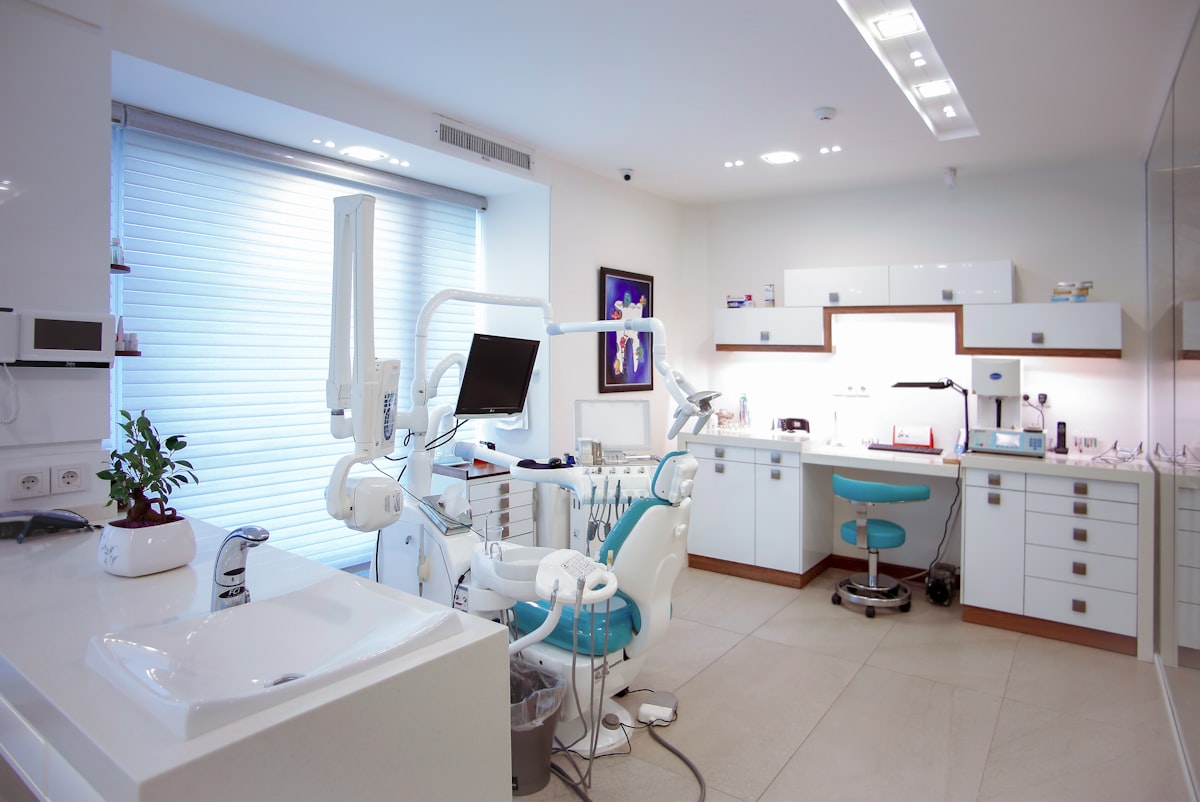
Korean Laser Toning Treatments Compared: Genesis, Clarity, RevLite & More
If you're researching skin treatments in Korea, you've likely encountered the term "laser toning" along with various brand names like Genesis, Clarity, RevLite, and Excel V. With so many options available at Korean dermatology clinics, choosing the right laser toning treatment can feel overwhelming. This comprehensive guide breaks down the differences between major laser toning types, their pros and cons, price comparisons, and which treatment works best for specific skin concerns.
⚠️ Medical Disclaimer: This article provides general information about laser toning treatments. It is not intended as medical advice. Always consult with a qualified healthcare professional before undergoing any medical or cosmetic procedure. Individual results may vary, and all treatments carry potential risks and side effects.
What is Laser Toning?
Laser toning is a non-invasive skin treatment that uses low-energy laser pulses to target pigmentation, improve skin tone, reduce pore size, and enhance overall skin texture. Unlike traditional laser treatments that can cause significant downtime, laser toning delivers gentle energy to the skin's deeper layers without damaging the surface.
The term "laser toning" generally refers to treatments using 1064nm Nd:YAG lasers, primarily used for treating melasma, age spots, and overall skin tone improvement. However, modern Korean dermatology has evolved to include various laser technologies under this umbrella term, each with unique characteristics and benefits.
How Laser Toning Works
Laser toning works by delivering controlled laser energy that breaks down melanin (pigment) particles in the skin. The body's natural immune system then removes these fragmented particles over time. Simultaneously, the laser stimulates collagen production in the dermal layer, improving skin elasticity and texture.
Most laser toning treatments require multiple sessions—typically 5-10 treatments spaced 2-3 weeks apart—for optimal results. This gradual approach minimizes side effects while progressively improving skin quality.
Types of Laser Toning: Detailed Comparison
1. Genesis Toning (제네시스 토닝)
Technology: Long-pulse Nd:YAG laser (1064nm wavelength) Manufacturer: Cutera (USA)
Genesis toning differs from traditional Q-switched laser toning by using a long-pulse format rather than ultra-short pulses. This non-contact laser treatment delivers energy to the deeper dermal layers without direct skin contact.
How It Works:
- Delivers heat energy deep into the dermis
- Stimulates fibroblasts to produce collagen
- Reduces microvascular activity around pigmentation
- Minimizes surface skin damage
Best For:
- Skin texture improvement
- Fine lines and wrinkles
- Pore size reduction
- Redness and rosacea
- Overall skin rejuvenation
- Preventing melasma recurrence
Pros:
- Minimal pain (no anesthesia required)
- No downtime or recovery period
- Improves multiple skin concerns simultaneously
- Stimulates long-term collagen production
- Gentle enough for sensitive skin
- Reduces melasma recurrence by targeting vascular factors
Cons:
- Slower pigmentation results compared to Q-switched lasers
- Requires consistent sessions (typically 3-5 treatments)
- Effects are gradual rather than immediate
- May not be strong enough for severe pigmentation
Treatment Frequency: Every 2 weeks, 3-5 sessions recommended Session Duration: 15-20 minutes
2. Clarity Laser (클라리티)
Technology: Dual-wavelength platform (755nm Alexandrite + 1064nm Nd:YAG) Manufacturer: Lutronic (Korea)
Clarity is a versatile dual-wavelength laser system that can address both pigmentation and vascular concerns. Its intelligent cooling device makes treatments more comfortable than traditional lasers.
How It Works:
- 755nm wavelength targets melanin selectively
- 1064nm wavelength penetrates deeper for vascular issues
- Intelligent Cooling Device reduces pain and protects skin
- Adjustable parameters for customized treatment
Best For:
- Stubborn pigmentation and melasma
- Age spots and freckles
- Redness and facial flushing
- Tattoo removal (when using higher energy)
- Mixed skin concerns (pigmentation + redness)
Pros:
- Dual wavelengths address multiple concerns
- Advanced cooling technology minimizes discomfort
- No anesthesia typically needed
- Effective for both superficial and deep pigmentation
- Quick treatment sessions
- Suitable for various skin types
Cons:
- Higher cost than single-wavelength treatments
- May require multiple sessions for deep pigmentation
- Mild swelling or redness possible for 1-2 days
Treatment Frequency: Every 3-4 weeks, 3-5 sessions recommended Session Duration: 20-30 minutes
3. RevLite (레블라이트)
Technology: Q-switched Nd:YAG laser (1064nm and 532nm wavelengths) Manufacturer: Cynosure (USA)
RevLite represents the gold standard for traditional laser toning, using nanosecond-pulse technology to target pigmentation effectively. The RevLite SI model is particularly praised for its uniform beam distribution and stable energy delivery.
How It Works:
- Q-switched technology delivers ultra-short nanosecond pulses
- Shatters melanin particles without thermal damage
- PTP (Photoacoustic Twin Pulse) mode reduces side effects
- Dual wavelengths for different pigmentation depths
Best For:
- Melasma and post-inflammatory hyperpigmentation (PIH)
- Freckles and age spots
- Uneven skin tone
- Skin brightening
- Acne scarring (when combined with other treatments)
Pros:
- Proven track record with extensive clinical research
- PTP mode minimizes risk of post-treatment darkening
- Uniform energy distribution reduces hot spots
- Effective for Asian skin types
- Minimal downtime
- Can treat large areas efficiently
Cons:
- Uses older nanosecond technology (slower than pico lasers)
- Requires 5-10+ sessions for optimal results
- Risk of rebound hyperpigmentation if not done correctly
- Not as effective for very stubborn pigmentation
Treatment Frequency: Every 2-3 weeks, 5-10 sessions recommended Session Duration: 10-20 minutes
4. Excel V Laser (엑셀V)
Technology: Dual-wavelength vascular laser (532nm KTP + 1064nm Nd:YAG) Manufacturer: Cutera (USA)
Excel V is primarily known as a vascular laser but has gained popularity in Korea for treating redness, pigmentation, and improving overall skin quality simultaneously.
How It Works:
- 532nm wavelength targets superficial blood vessels and red pigmentation
- 1064nm wavelength addresses deeper vascular structures
- Combines vascular treatment with skin rejuvenation
- Stimulates collagen production
Best For:
- Facial redness and rosacea
- Visible blood vessels
- Post-acne red marks (PIE - Post-Inflammatory Erythema)
- Brown pigmentation (secondary function)
- Combination concerns (redness + pigmentation)
Pros:
- Highly effective for vascular issues
- FDA, CE, and KFDA approved
- Minimal discomfort with cooling technology
- Treats both red and brown discoloration
- Promotes collagen regeneration
- Minimal downtime
Cons:
- Primary focus is vascular, not pigmentation
- More expensive than standard laser toning
- Requires 5-10 sessions for complete results
- May cause temporary purpura (bruising) with aggressive settings
Treatment Frequency: Every 3-4 weeks, 3-5+ sessions recommended Session Duration: 15-30 minutes
5. Pico Toning (피코토닝)
Technology: Picosecond laser (typically 755nm or 1064nm wavelengths) Manufacturers: Various (Picosure by Cynosure, PicoWay by Candela, Discovery Pico by Quanta)
Pico toning represents the latest advancement in laser technology, using picosecond (one-trillionth of a second) pulses—1,000 times faster than traditional nanosecond lasers.
How It Works:
- Ultra-short picosecond pulses shatter pigment into microscopic particles
- Photoacoustic effect (not thermal) minimizes surrounding tissue damage
- Particles are small enough for easier lymphatic removal
- Stimulates collagen and elastin production
Best For:
- Stubborn melasma resistant to other treatments
- Deep pigmentation
- Tattoo removal
- Acne scars and textural irregularities
- Skin rejuvenation and brightening
Pros:
- Fastest pulse duration available
- More effective pigment fragmentation
- Less heat damage to surrounding tissue
- Faster recovery time
- Effective for difficult pigmentation cases
- Can address both texture and tone
Cons:
- Significantly more expensive than traditional laser toning
- Still requires multiple sessions (though often fewer)
- Not all clinics have genuine pico laser devices
- May not be necessary for simple pigmentation concerns
- Higher cost doesn't always mean better results for basic cases
Treatment Frequency: Every 3-4 weeks, 3-8 sessions recommended Session Duration: 10-20 minutes
Combination Treatments
Dual Toning (듀얼토닝)
Combines Q-switched Nd:YAG laser toning (RevLite) with long-pulse Nd:YAG (Genesis) to address both pigmentation removal and skin texture improvement simultaneously. This approach reduces pigmentation while stimulating collagen for better skin quality.
Triple Toning (트리플토닝)
Uses three different laser types—typically RevLite (or another Q-switched laser), Pico Toning, and Clarity—to target various pigmentation depths and types. This comprehensive approach is recommended for complex cases with multiple layers of pigmentation.
Price Comparison Table
Here's a general price guide for laser toning treatments in Seoul as of 2025:
| Treatment Type | Price per Session (USD) | Package Price (5-10 sessions) | Korean Won (1 session) |
|---|---|---|---|
| RevLite Toning | $54-$92 | $270-$692 | ₩70,000-₩120,000 |
| Genesis Toning | $45-$77 | $315-$455 | ₩59,000-₩100,000 |
| Clarity Toning | $107-$154 | $223-$392 (3 sessions) | ₩139,000-₩200,000 |
| Excel V Laser | $115-$198 | $208-$392 (3 sessions) | ₩150,000-₩258,000 |
| Pico Toning | $154-$308 | $769-$2,308 | ₩200,000-₩400,000 |
| Dual Toning | $77-$154 | $385-$1,154 | ₩100,000-₩200,000 |
| Triple Toning | $154-$231 | $770-$1,731 | ₩200,000-₩300,000 |
Note: Prices vary significantly based on clinic location (Gangnam clinics typically charge more), equipment quality, included additional treatments, and current promotions. Event prices can start as low as $15-$45 for first-time visitors. Always confirm current pricing during consultation.
Exchange rate used: ₩1,300 = $1 USD (subject to fluctuation)
Which Laser Toning is Best for Your Skin Concern?
For Melasma
Best Choice: RevLite or Pico Toning, often combined with Genesis Why: Melasma requires careful, gradual treatment. RevLite's PTP mode minimizes rebound hyperpigmentation, while pico lasers effectively break down stubborn pigment. Adding Genesis helps prevent recurrence by addressing vascular components.
For General Skin Brightening
Best Choice: Genesis Toning or RevLite Why: These provide gentle, consistent results for overall tone improvement without aggressive intervention.
For Redness and Rosacea
Best Choice: Excel V or Clarity Why: These vascular lasers specifically target blood vessels and reduce facial redness more effectively than traditional toning lasers.
For Post-Acne Marks
- Red marks (PIE): Excel V or Clarity
- Brown marks (PIH): RevLite or Pico Toning
For Anti-Aging and Texture
Best Choice: Genesis Toning Why: Long-pulse technology stimulates deeper collagen production, improving fine lines, pores, and overall skin quality.
For Stubborn, Treatment-Resistant Pigmentation
Best Choice: Pico Toning or Triple Toning Why: Advanced technology breaks down resistant pigmentation more effectively, though at higher cost.
Recommended Clinics for Laser Toning in Seoul
While specific clinic recommendations vary, here are general guidelines for finding quality laser toning providers:
Gangnam District
- Price Range: $77-$308 per session
- Best For: Latest technology and English-speaking staff
- Popular Areas: Gangnam Station, Apgujeong Rodeo, Sinsa-dong
Myeongdong/Jung-gu
- Price Range: $54-$231 per session
- Best For: Tourist-friendly locations with package deals
- Accessibility: Easy subway access, multiple stations
Hongdae/Sinchon
- Price Range: $46-$154 per session
- Best For: Budget-friendly options with quality equipment
- Vibe: Younger, trend-focused clinics
Key Factors When Choosing a Clinic:
- Equipment Quality: Verify they use genuine, FDA/KFDA-approved devices
- English Support: Confirm staff can communicate treatment plans clearly
- Dermatologist Consultation: Ensure a qualified doctor assesses your skin
- Transparent Pricing: Avoid clinics with hidden fees or aggressive upselling
- Reviews: Check Korean platforms (강남언니/Gangnam Unni, 모두닥/Modoodoc) for patient experiences
What to Expect During Treatment
Before Treatment
- Arrive with clean, makeup-free skin (or cleansing will be provided)
- Protective eyewear will be provided
- Photos may be taken for before/after comparison
- Topical anesthetic is rarely needed for most laser toning
During Treatment
- Laser handpiece moves across treatment areas
- Sensation varies: warm tingles (Genesis) to light rubber band snaps (Q-switched)
- Treatment typically takes 10-30 minutes depending on area size
- Cooling devices minimize discomfort
After Treatment
- Mild redness for 1-4 hours (varies by laser type)
- Return to normal activities immediately
- Sunscreen application is essential
- Makeup can usually be applied after 2-4 hours
Post-Treatment Care
- Apply broad-spectrum SPF 50+ sunscreen daily
- Avoid direct sun exposure for at least one week
- Keep skin well-hydrated
- Avoid harsh exfoliants or active ingredients (retinoids, AHAs) for 3-5 days
- Next session scheduled in 2-4 weeks
Potential Side Effects and Risks
While laser toning is generally safe, potential side effects include:
- Temporary redness: Normal, subsides within hours
- Mild swelling: Rare, resolves in 1-2 days
- Post-inflammatory hyperpigmentation (PIH): Risk increases with improper settings or sun exposure
- Paradoxical darkening: Can occur with melasma if treatment is too aggressive
- Skin sensitivity: Temporary increased sensitivity to products and sun
Important: These risks are minimized when treatments are performed by qualified dermatologists using appropriate settings for your skin type and concern.
Frequently Asked Questions
Q: How many sessions do I need? A: Most patients need 5-10 sessions for optimal results. Pico toning may achieve results in 3-8 sessions, while stubborn melasma might require 10+ treatments with maintenance sessions.
Q: Is there any downtime? A: Minimal to none. Most laser toning treatments allow you to return to work immediately. Mild redness typically subsides within a few hours.
Q: Can I combine different laser types? A: Yes! Many Korean dermatologists recommend combination treatments (dual or triple toning) for comprehensive results, especially for complex pigmentation issues.
Q: How long do results last? A: Results can last 6-12 months or longer with proper sun protection and skincare. Maintenance sessions (quarterly or semi-annually) help preserve improvements.
Q: Is laser toning safe for all skin types? A: Modern laser toning is generally safe for Asian skin (Fitzpatrick types III-IV) when performed by experienced practitioners. However, darker skin types (V-VI) require extra caution to avoid hyperpigmentation.
Q: Can I get laser toning while visiting Korea for a short trip? A: While possible, laser toning requires multiple sessions for best results. Consider getting 2-3 sessions during your visit and continuing treatment at home, or plan a medical tourism trip specifically for this purpose.
Conclusion
Korean laser toning offers diverse options for addressing pigmentation, skin tone, texture, and vascular concerns. From the collagen-boosting Genesis to the advanced Pico technology, each treatment type has unique advantages:
- For budget-conscious gradual improvement: RevLite or Genesis
- For combination concerns: Clarity or Excel V
- For stubborn resistant pigmentation: Pico Toning
- For comprehensive treatment: Dual or Triple Toning
The key to successful laser toning is choosing the right technology for your specific skin concerns, working with qualified dermatologists, and maintaining realistic expectations. Korean dermatology clinics offer competitive pricing—often 40-60% less than Western countries—combined with cutting-edge technology and extensive experience treating Asian skin types.
Ready to achieve brighter, more radiant skin? Consult with a Korean dermatology clinic to determine which laser toning treatment is best for your skin goals.
Last Updated: January 5, 2026 Reading Time: 12 minutes
Sources: