Forehead Botox in Korea: Prices, Units & Best Clinics 2025
Forehead lines are one of the most common concerns that bring international visitors to Korean dermatology clinics. Whether you have deep-set horizontal wrinkles or want to prevent them from forming, forehead Botox in Korea offers world-class results at prices significantly lower than Western countries. In this comprehensive guide, we cover everything you need to know about getting forehead Botox treatments in Seoul.
How Forehead Botox Works
Forehead wrinkles are created by the frontalis muscle (known as 이마근 in Korean), which is responsible for raising your eyebrows and creating those horizontal lines across your forehead. Every time you express surprise, raise your eyebrows, or squint, this muscle contracts and creates dynamic wrinkles.
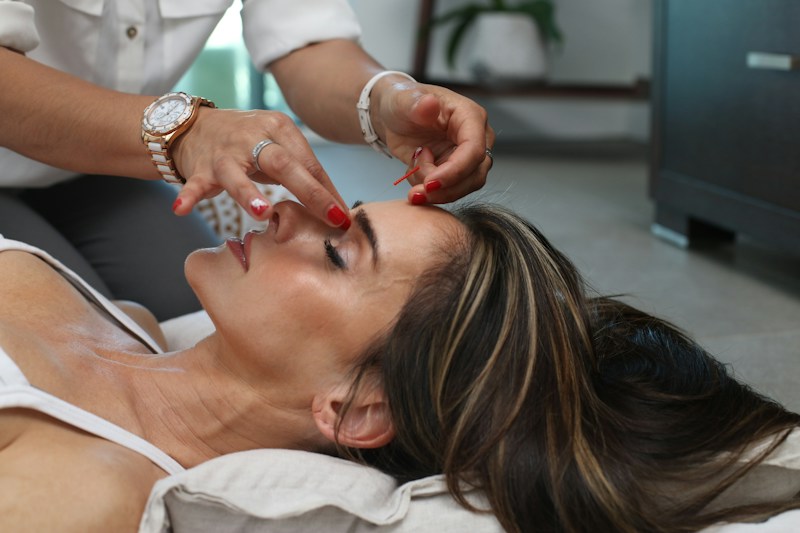
Botox works by temporarily blocking the nerve signals that cause muscle contractions. When injected into the frontalis muscle, it relaxes the muscle fibers, smoothing out existing wrinkles and preventing new ones from forming. The treatment takes only 10-15 minutes and involves several small injections across the forehead area.
Important consideration: The frontalis muscle also helps lift drooping eyelids. Korean dermatologists often recommend treating the glabella (frown lines) and crow's feet first, as relaxing these areas can naturally reduce forehead lines without the risk of eyelid heaviness. When these areas are treated, patients often find they no longer need to furrow their brow as much, which indirectly improves forehead wrinkles.
Units Typically Needed for Forehead Botox
Botox dosage is measured in units, and the amount needed varies based on muscle strength, wrinkle depth, and desired results:
| Area | Typical Units | Price Range (KRW) | Price Range (USD) |
|---|---|---|---|
| Forehead only | 10-20 units | 80,000-200,000 | $60-150 |
| Glabella (frown lines) | 15-25 units | 100,000-250,000 | $75-185 |
| Full upper face (forehead + glabella + crow's feet) | 40-60 units | 200,000-400,000 | $150-300 |
Korean clinics typically use conservative dosing to achieve natural results. First-time patients often start with lower doses in the upper forehead area, with the option to add more units during a follow-up visit.
Botox Brands Used in Korea
Korean clinics offer several Botox brands, each with distinct characteristics and price points:
Premium Imported Brands
Allergan Botox (USA) The original FDA-approved botulinum toxin with the longest track record and most extensive clinical research. Allergan has held over 70% of the global market since its 1989 FDA approval. It has the lowest antibody formation rate and most predictable results, though it comes at a premium price.
- Price: 5,000-8,000 KRW per unit ($3.75-6 USD)
- Best for: Patients seeking the gold standard with proven safety
Xeomin (Germany) Manufactured by Merz Pharmaceuticals, Xeomin is a pure neurotoxin without complex proteins. This unique "naked" formulation means virtually zero risk of developing antibodies or resistance, making it ideal for long-term maintenance patients.
- Price: 4,000-7,000 KRW per unit ($3-5.25 USD)
- Best for: Patients who have developed tolerance to other brands
Korean Brands (FDA-Approved)
Nabota (Daewoong Pharmaceutical) The first Korean botulinum toxin to receive US FDA approval, Nabota has captured approximately 12% of the American market. Clinical studies show results comparable to Allergan at 20-30% lower prices.
- Price: 3,000-5,000 KRW per unit ($2.25-3.75 USD)
- Best for: Cost-conscious patients seeking FDA-approved quality
Coretox (Medytox) The world's second pure neurotoxin after Xeomin, Coretox uses advanced purification technology to remove complex proteins. This reduces resistance formation, making it excellent for regular treatments.
- Price: 2,500-4,500 KRW per unit ($1.85-3.35 USD)
- Best for: Long-term maintenance at affordable prices
Botulax (Hugel) One of the most widely used Korean brands, offering reliable results at competitive prices. A popular choice for first-time patients due to its excellent cost-to-quality ratio.
- Price: 2,000-4,000 KRW per unit ($1.50-3 USD)
- Best for: First-time patients wanting to try Botox affordably
Natural vs. Frozen Look Techniques
Korean dermatologists are renowned for their "natural look" approach to Botox. Here is how they achieve subtle, refreshed results:
The Korean Natural Look Approach
- Conservative dosing: Starting with fewer units and adding more if needed
- Strategic placement: Injecting higher on the forehead to preserve eyebrow movement
- Combination treatment: Treating glabella and crow's feet first, which indirectly improves forehead lines
- Micro-Botox technique: Using diluted Botox spread across larger areas for subtle smoothing
Avoiding the Frozen Forehead
Korean practitioners often advise:
- First-time patients should start with lighter doses on the upper forehead only
- Wait 2 weeks to assess full results before adding more units
- Consider treating glabella first, as this reduces the need to furrow the brow, naturally softening forehead lines
- For patients with eyelid concerns, a lower forehead dose combined with glabella treatment provides the safest approach
The key is communication: tell your doctor exactly how much movement you want to preserve.
How Long Do Results Last?
Understanding the timeline helps you plan your treatment:
| Timeline | What to Expect |
|---|---|
| Days 1-3 | No visible changes; toxin beginning to work |
| Days 3-7 | Effects begin appearing; muscles start relaxing |
| Week 2 | Peak results achieved; full smoothing effect visible |
| Months 1-3 | Optimal results maintained |
| Months 3-4 | Gradual return of muscle movement |
| Months 4-6 | Effects wear off; retreatment recommended |
According to Korean clinical data, approximately 62% of patients notice visible results within one week, while 38% see effects almost immediately. Regular maintenance treatments every 3-4 months can extend the duration of results over time, and some long-term patients find they can eventually space treatments further apart.
Side Effects and Aftercare
Common Side Effects
Forehead Botox is generally safe, but temporary side effects may include:
- Eyelid heaviness or drooping: The most common side effect specific to forehead Botox; typically resolves within 2-4 weeks
- Difficulty raising eyebrows: Temporary; improves as Botox wears off
- Mild bruising or swelling: At injection sites; resolves within days
- Headache: Occasional; typically mild and short-lived
- Temporary brow asymmetry: Usually corrects itself as the Botox settles
Who Should Be Cautious
- Patients with existing ptosis (droopy eyelids)
- Those with very heavy brows or limited eyelid muscle strength
- Anyone with neuromuscular disorders
- Pregnant or breastfeeding women
- Patients who have shown allergic reactions to botulinum toxin
Aftercare Guidelines
Korean clinics recommend the following post-treatment care:
First 4 hours:
- Stay upright; do not lie down
- Avoid touching or massaging the treated area
- No makeup application on injection sites
First 3 days:
- Avoid alcohol and smoking (can cause inflammation or increase resistance)
- No saunas, hot baths, or steam rooms
- Skip intense exercise
- Avoid facial treatments or massages
First 2 weeks:
- Sleep on your back if possible
- Do not receive other facial injections
- Attend follow-up appointment if scheduled
Best Clinics for Forehead Botox in Korea
Seoul is home to thousands of dermatology clinics, with the highest concentration in Gangnam and Apgujeong. Here are factors to consider when choosing a clinic:
Gangnam Area
The Gangnam district, particularly around Gangnam Station and Sinnonhyeon Station, offers the highest density of clinics with competitive pricing. Many clinics here cater to international patients with English-speaking staff.
Popular chains include:
- Toxnfill (multiple locations throughout Seoul)
- VS Line Clinic
- Oracle Dermatology
Apgujeong Rodeo
For premium treatments with imported brands like Allergan and Xeomin, Apgujeong clinics tend to offer more luxury experiences at higher price points. This area is known for celebrity clientele and cutting-edge techniques.
What to Look For
- Board-certified dermatologist or plastic surgeon
- Clear pricing with brand name, units, and total cost specified
- English consultation available
- Before/after photos of actual patients
- Transparent communication about potential side effects
Questions to Ask Before Treatment
- What brand of Botox will be used?
- How many units will be injected?
- What is the total cost including all fees and VAT?
- What happens if I need a touch-up?
- What are the risks specific to my facial structure?
Frequently Asked Questions
How much does forehead Botox cost in Korea?
Forehead Botox in Korea typically costs 80,000-200,000 KRW ($60-150 USD) for 10-20 units. Korean brands like Nabota and Botulax are more affordable, while imported brands like Allergan cost more. Many clinics offer package deals for the full upper face starting around 200,000 KRW ($150 USD).
Is Korean Botox safe?
Yes, Korean botulinum toxin products like Nabota and Coretox are FDA-approved and manufactured under strict quality standards. Korea is one of the world's leading producers of botulinum toxin, with extensive clinical research backing their products.
How many units do I need for forehead wrinkles?
Most patients need 10-20 units for the forehead alone. However, many Korean dermatologists recommend treating the forehead together with glabella (15-25 additional units) for more natural and effective results.
Can forehead Botox cause eyelid drooping?
Yes, this is the most common side effect specific to forehead Botox. The frontalis muscle helps lift the eyelids, so relaxing it can cause temporary heaviness. Korean doctors minimize this risk through conservative dosing and strategic placement higher on the forehead. Any drooping typically resolves within 2-4 weeks.
How often should I get forehead Botox?
For optimal results, most patients return every 3-4 months initially. With regular treatments, some patients find they can extend intervals to 4-6 months as their muscles become trained to stay relaxed.
Is there an age limit for forehead Botox?
There is no strict age limit. Many young adults in their 20s get "preventive Botox" to stop wrinkles from forming, while older patients seek treatment for existing lines. Korean clinics evaluate each patient individually based on skin condition and muscle activity.
Can I combine forehead Botox with other treatments?
Yes, forehead Botox is often combined with:
- Glabella and crow's feet Botox for comprehensive upper face treatment
- Skin boosters for improved skin texture
- Thread lifting for enhanced lifting effects
- Laser treatments for skin rejuvenation
Most Korean clinics offer combination packages at discounted rates.
Medical Disclaimer
This article is for informational purposes only and does not constitute medical advice. Botox is a prescription medication that should only be administered by qualified medical professionals. Results vary between individuals, and all cosmetic procedures carry potential risks including bruising, asymmetry, and rare allergic reactions. Always consult with a board-certified dermatologist or plastic surgeon before undergoing any treatment. The prices mentioned are estimates and may vary by clinic, time of year, and individual treatment plans.
Planning your K-beauty journey? Forehead Botox is one of the most popular treatments for international visitors to Korea, offering exceptional results at competitive prices. Book a consultation with a reputable Seoul clinic to discuss your personalized treatment plan.