Chemical Peels in Korea: Complete Guide to Types, Prices & Effects 2025
Chemical peels remain one of the most effective treatments for acne, aging, and skin texture concerns. Korean dermatology clinics offer everything from gentle lunchtime peels to powerful resurfacing treatments.
What is a Chemical Peel?
A chemical peel uses acid solutions to remove damaged outer layers of skin. By controlled "injury," peels trigger:
- Exfoliation: Dead skin cell removal
- Cell turnover: New cell production
- Collagen stimulation: Firmer skin
- Pigment reduction: More even tone
Types of Chemical Peels by Depth
Superficial (Light) Peels
Depth: Epidermis only Downtime: 0-3 days Common Acids: Glycolic (20-35%), Lactic, Salicylic
Medium Peels
Depth: Epidermis + upper dermis Downtime: 5-7 days Common Acids: TCA (15-35%), Jessner's
Deep Peels
Depth: Mid to lower dermis Downtime: 14-21 days Common Acids: TCA 50%+, Phenol
Chemical Peel Prices in Korea (2025)
| Peel Type | Price (KRW) | Price (USD) |
|---|---|---|
| Basic Peel | ₩40,000-80,000 | $30-60 |
| Combination Peel | ₩80,000-150,000 | $60-115 |
| Jessner's Peel | ₩100,000-180,000 | $75-140 |
| TCA Peel | ₩150,000-300,000 | $115-230 |
| Package (5 sessions) | ₩200,000-400,000 | $155-310 |
Prices as of January 2025.
Korea vs. International Pricing
| Location | Light Peel | Medium Peel |
|---|---|---|
| Seoul | $30-60 | $115-230 |
| Los Angeles | $150-300 | $400-800 |
| Savings | 75-85% | 70-75% |
Popular Peel Types in Korea
Acne-Fighting Peels
Salicylic Acid Peel
- Oil-soluble, penetrates pores
- Best for: Active acne, blackheads
Jessner's Peel
- Salicylic + lactic + resorcinol
- Best for: Acne + pigmentation
Anti-Aging Peels
Glycolic Acid Peel
- Smallest AHA molecule
- Best for: Fine lines, texture
TCA Peel
- Deeper penetration
- Best for: Wrinkles, sun damage
Brightening Peels
Lactic Acid Peel
- Gentle, hydrating
- Best for: Sensitive skin
Mandelic Acid Peel
- Larger molecule
- Best for: Darker skin tones
What Chemical Peels Treat
| Concern | Improvement | Sessions |
|---|---|---|
| Active acne | 40-60% | 4-6 |
| Mild acne scars | 30-50% | 6-10 |
| Fine lines | 20-40% | 4-6 |
| Sun spots | 40-60% | 3-5 |
| Texture | 50-70% | 4-6 |
The Treatment Experience
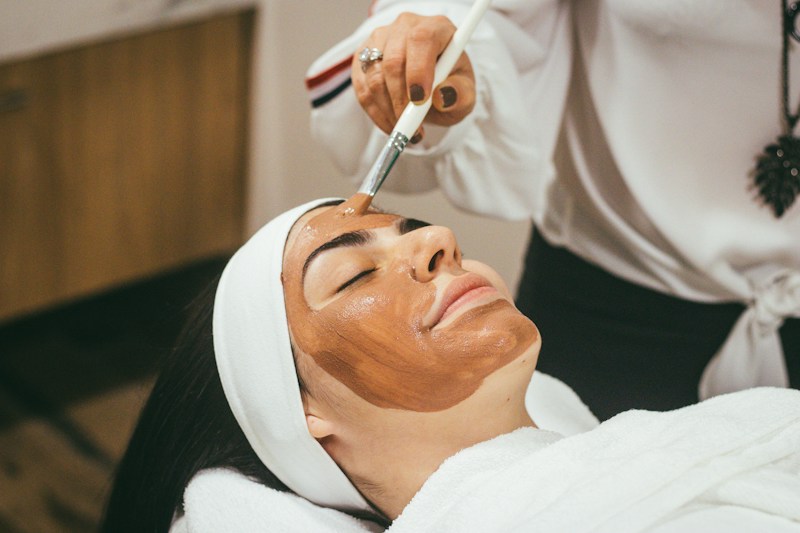
During Treatment (20-45 minutes)
- Skin cleansed and degreased
- Peel solution applied in layers
- Solution neutralized
- Soothing products applied
What It Feels Like
- Tingling to stinging (light peels)
- Burning sensation (medium peels)
- Subsides after neutralization
Recovery by Peel Type
Light Peel
| Day | What to Expect |
|---|---|
| Day 1 | Mild redness, tightness |
| Day 2-3 | Light flaking |
| Day 3-5 | Back to normal |
Medium Peel
| Day | What to Expect |
|---|---|
| Day 1-2 | Redness, swelling |
| Day 3-4 | Peeling begins |
| Day 5-7 | Significant peeling |
| Day 7-10 | Fresh skin revealed |
Aftercare Essentials
First 48 Hours
- No touching or picking
- Gentle cleanser only
- Hydrating moisturizer
- No actives or makeup
Ongoing
- SPF 50+ essential
- Let peeling happen naturally
- Gradual return to actives
Side Effects and Risks
Expected
- Redness, tightness, peeling/flaking
Possible Complications
- Post-inflammatory hyperpigmentation
- Prolonged redness
- Infection (rare)
Who Should Avoid
- Active infections
- Recent isotretinoin use
- Pregnant/breastfeeding
- Very dark skin (need careful selection)
FAQ
Q: Are chemical peels painful? A: Light peels cause tingling; medium peels can burn but are tolerable.
Q: Can I get a peel if I have dark skin? A: Yes, with careful acid selection. Mandelic and lactic acids are safer.
Q: How often can I get peels? A: Light peels every 2-4 weeks; medium peels every 4-8 weeks.
Conclusion
Chemical peels offer an effective, affordable way to address acne, aging, and texture concerns. Korean clinics provide high-quality peels at competitive prices.
Ready to reveal fresher skin? Consult with a Seoul dermatologist to find the right peel for your skin type.
⚠️ Medical Disclaimer: This article provides general information about chemical peels. It is not intended as medical advice. Always consult a qualified healthcare professional.
Last Updated: January 2025