Chemical Peels in Korea: Types, Prices & Best Clinics in Seoul
Considering a chemical peel in Korea? You are not alone. Every year, thousands of international visitors travel to Seoul for affordable, expertly administered skin treatments -- and chemical peels remain one of the most popular procedures on the menu. Whether you want to tackle stubborn acne scars, sun damage, uneven skin tone, or fine lines, Korean dermatology clinics offer a wide range of peel options at a fraction of what you would pay in the US or Europe.
In this guide, we break down every major peel type available at Seoul clinics, share current pricing, and help you decide which treatment is right for your skin.
What Is a Chemical Peel?
A chemical peel uses an acid-based solution to remove dead skin cells and stimulate cellular turnover. The acid penetrates the skin at a controlled depth, dissolving the bonds between old cells so that fresher, healthier skin can emerge. Depending on the acid type and concentration, peels range from gentle surface treatments to deeper procedures that target the dermis.
Korean dermatology clinics -- called pibu-gwa (피부과) -- have refined chemical peeling into a precise science. Board-certified dermatologists customize the acid type, concentration, and application time based on each patient's skin condition, Fitzpatrick type, and treatment goals.
Types of Chemical Peels by Depth
Chemical peels are classified into three main depth categories. Understanding the difference will help you choose the right treatment for your concerns.
Superficial (Light) Peels
Light peels target only the outermost layer of skin (epidermis). They require little to no downtime and are ideal for mild discoloration, rough texture, and routine skin maintenance.
- Best for: Dull skin, mild acne, early signs of aging
- Downtime: None to 1-2 days of mild flaking
- Sessions recommended: 3-6 treatments, spaced 2-3 weeks apart
Medium-Depth Peels
Medium peels penetrate through the epidermis and into the upper dermis (up to 0.45mm). They produce more dramatic results but require several days of recovery.
- Best for: Moderate acne scars, hyperpigmentation, sun damage, fine wrinkles
- Downtime: 5-7 days of peeling and redness
- Sessions recommended: 1-3 treatments, spaced 4-6 weeks apart
Deep Peels
Deep peels reach the mid-to-lower dermis and are reserved for severe scarring, deep wrinkles, or significant sun damage. These are less commonly performed and require careful post-treatment care.
- Best for: Deep wrinkles, severe scarring, precancerous growths
- Downtime: 10-14 days, with potential for prolonged redness
- Sessions recommended: Usually a single treatment
Chemical Peel Acid Types: A Detailed Comparison
Korean clinics offer a wider variety of peeling agents than most Western practices. Here is what you will encounter.
AHA (Alpha Hydroxy Acid) Peels
AHA peels -- most commonly glycolic acid or lactic acid -- are the gentlest option. Derived from natural sources like sugarcane and milk, AHAs dissolve the bonds between dead skin cells on the surface.
- Glycolic acid: The smallest AHA molecule; penetrates deeply for its class. Popular for acne, uneven tone, and fine lines.
- Lactic acid: Larger molecule, gentler on sensitive skin. Also provides hydration.
- Results timeline: Visible improvement starts around 3 weeks; full effects after 2-3 months of regular treatments.
- Price in Seoul: ₩30,000-₩100,000 ($23-$77) per session
BHA (Beta Hydroxy Acid / Salicylic Acid) Peels
BHA peels use salicylic acid, which is oil-soluble -- meaning it can penetrate into pores and dissolve sebum plugs. This makes BHA the top choice for oily and acne-prone skin.
- Best for: Active acne, blackheads, enlarged pores, oily skin
- Key advantage: Anti-inflammatory properties reduce redness alongside exfoliation
- Price in Seoul: ₩30,000-₩100,000 ($23-$77) per session
TCA (Trichloroacetic Acid) Peels
TCA is the workhorse of medium-depth peeling. Korean dermatologists typically use concentrations between 10-35%, adjusting depth based on the number of layers applied. TCA is not absorbed systemically, making it a safe and predictable choice.
- Best for: Moderate acne scars, melasma, sun damage, fine-to-moderate wrinkles
- Caution: Concentrations above 50% can cause persistent redness and scarring -- a qualified dermatologist will never go that high unnecessarily.
- Price in Seoul: ₩150,000-₩300,000+ ($115-$230+) per session
Jessner's Peel
Jessner's solution is a classic combination of salicylic acid, lactic acid, and resorcinol. It serves as a versatile medium-depth peel that combines the strengths of multiple acids.
- Best for: Hyperpigmentation, moderate acne, photoaging
- Key advantage: The multi-acid formula offers both surface and deeper exfoliation in one session
- Price in Seoul: ₩100,000-₩200,000 ($77-$154) per session
Newer-Generation Peels Popular in Korea
Korean clinics have moved beyond traditional acids. Look out for these trending options:
- Amino Peel: Uses natural amino acids that provide 3x more hydration than standard AHA. Strong exfoliation with minimal irritation -- ideal for sensitive skin.
- Aqua Peel: Combines chemical and mechanical exfoliation using AHA/BHA solutions delivered via a water-jet device. Excellent for deep pore cleansing. Priced at ₩20,000-₩60,000 ($15-$46) per session.
- Aladdin Peel: A natural-ingredient peel using silicate, giant kelp extract, and Dead Sea salt. Causes gradual shedding over 5-10 days. Priced at ₩100,000-₩200,000 ($77-$154) per session.
- 4th/5th Generation Peels (Sera Peel): The latest evolution. Instead of just stripping dead cells, these peels dissolve the keratin layer while simultaneously infusing active ingredients to strengthen the skin barrier. Effective for texture, tone, dryness, elasticity, and fine lines. Priced at ₩80,000-₩150,000 ($62-$115) per session.
Price Comparison: Chemical Peels in Seoul
Here is a summary of current pricing at Seoul dermatology clinics. Prices are as of early 2026 and may vary by clinic and treatment area.
| Peel Type | Price per Session (KRW) | Price per Session (USD) | Notes |
|---|---|---|---|
| Aqua Peel | ₩20,000-₩60,000 | $15-$46 | Most affordable; great for maintenance |
| AHA / BHA Scaling | ₩30,000-₩100,000 | $23-$77 | Varies widely by clinic |
| Jessner's Peel | ₩100,000-₩200,000 | $77-$154 | Multi-acid medium peel |
| 4th-Gen Peel (Sera Peel) | ₩80,000-₩150,000 | $62-$115 | Package discounts available (3-5 sessions) |
| Aladdin Peel | ₩100,000-₩200,000 | $77-$154 | Natural ingredients |
| TCA Peel | ₩150,000-₩300,000+ | $115-$230+ | Depth-dependent pricing |
How does this compare internationally? A medium-depth chemical peel in the United States typically costs $400-$900 per session. In Seoul, you can receive the same treatment for $77-$230 -- savings of 50-75%. Even factoring in travel costs, a peel series in Korea often comes out cheaper than a single session back home.
Prices as of February 2026. Exchange rate: ₩1,300 = $1 USD. Contact clinics directly for current pricing and package deals.
What to Expect During Your Treatment
Before the Peel
- Consultation: Your dermatologist will examine your skin under magnification, discuss your concerns, and recommend a peel type and concentration.
- Skin prep: Some clinics may prescribe a retinoid or lightening cream for 1-2 weeks before a medium or deep peel to prime the skin.
- Arrive with clean skin: No makeup, sunscreen, or moisturizer on the treatment area.
During the Procedure
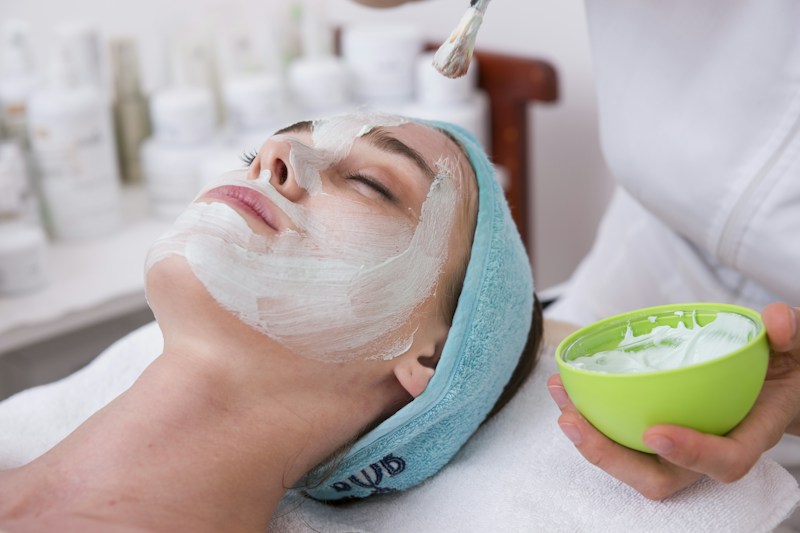
- The dermatologist cleanses your face and applies the acid solution.
- You may feel a warm, tingling, or stinging sensation -- this is normal and typically lasts 2-10 minutes.
- For superficial peels, the acid is neutralized after a set time. For TCA peels, the dermatologist monitors "frosting" (white patches) to gauge depth.
- Total treatment time: 15-30 minutes.
After the Peel
- Light peels: Mild redness for a few hours. You can return to normal activities immediately.
- Medium peels: Expect 3-7 days of peeling, redness, and tightness. Avoid sun exposure and heavy exercise.
- Deep peels: 7-14 days of recovery with significant peeling and sensitivity.
Post-care essentials: Gentle cleanser, fragrance-free moisturizer, and SPF 50+ sunscreen every day. Korean clinics often provide a post-peel skincare kit.
Finding the Right Clinic in Seoul
When choosing a clinic for your chemical peel in Korea, keep these factors in mind:
- Board certification: Look for clinics staffed by dermatologists certified by the Korean Dermatological Association.
- English support: Major clinics in Gangnam, Sinsa-dong, and Myeongdong typically have English-speaking coordinators. Ask about language support when booking.
- Consultation first: Reputable clinics always offer a thorough consultation before recommending a peel type. Be wary of any clinic that skips this step.
- Location: Gangnam-gu, Seocho-gu, and Mapo-gu have the highest concentration of top-rated dermatology clinics specializing in peels.
- Reviews: Check platforms like Modoodoc and Naver for patient reviews and price comparisons.
Pro tip: Many clinics offer package deals (3 or 5 sessions) that lower the per-treatment cost by 20-30%. If you are planning multiple sessions, ask about bundles during your consultation.
FAQ
Q: How many chemical peel sessions do I need? A: For superficial peels, most dermatologists recommend 3-6 sessions spaced 2-3 weeks apart. Medium peels typically require 1-3 sessions at 4-6 week intervals. Your dermatologist will create a personalized plan during your consultation.
Q: Are chemical peels painful? A: Light peels cause a mild tingling or warm sensation. Medium peels may sting for several minutes but are generally tolerable without anesthesia. Deep peels may require a local anesthetic or sedation.
Q: Can I get a chemical peel if I have dark skin? A: Yes, but the peel type must be chosen carefully. AHA peels and lower-concentration TCA peels are generally safe for darker skin tones. Korean dermatologists are experienced with Asian skin types and will adjust the treatment to minimize the risk of post-inflammatory hyperpigmentation.
Q: How soon can I wear makeup after a peel? A: After a light peel, you can apply mineral makeup the same day. After a medium peel, wait at least 5-7 days until peeling has subsided. Always follow your dermatologist's specific instructions.
Q: Is a chemical peel safe during pregnancy? A: Most dermatologists advise against chemical peels during pregnancy, especially medium and deep peels. Consult your healthcare provider before scheduling any treatment.
Q: Can I combine a chemical peel with other treatments? A: Absolutely. Korean clinics frequently pair peels with laser toning, LED therapy, or skin boosters like Rejuran for enhanced results. Your dermatologist can recommend the best combination for your skin goals.
Final Thoughts
A chemical peel in Korea offers an unbeatable combination of expert dermatological care, cutting-edge formulations, and prices that are a fraction of what you would pay elsewhere. Whether you opt for a gentle AHA refresher or a transformative TCA peel, Seoul's clinics have the expertise to deliver results safely and effectively.
Ready to refresh your skin in Seoul? Start by booking a consultation at a reputable Gangnam or Sinsa-dong clinic, and bring photos of your skin concerns to make the most of your appointment.
⚠️ Medical Disclaimer: This article provides general information about chemical peel treatments available in Korea. It is not intended as medical advice. Individual results vary based on skin type, condition, and treatment protocol. Always consult with a qualified dermatologist before undergoing any chemical peel or cosmetic procedure.
Last Updated: February 2026 Reading Time: 7 minutes