
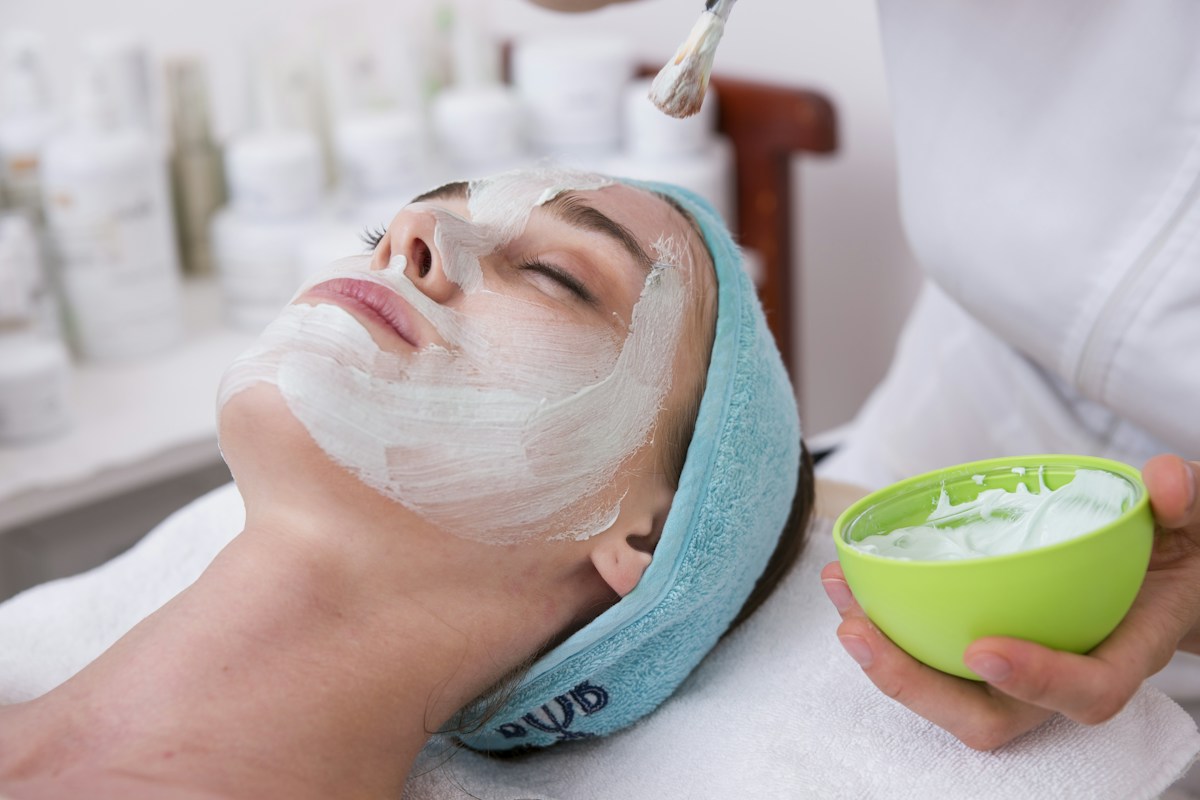
Aqua Peel Facial in Korea: The Gentle Deep Cleansing Treatment
If you have ever wondered how Korean skin looks so impossibly clean and smooth, the answer often starts with one of the country's most popular dermatology clinic treatments: the aqua peel. Getting an aqua peel in Korea is one of the most affordable and satisfying skincare experiences an international visitor can book, and it is the foundation of nearly every serious Korean skin management routine.
Unlike harsh chemical peels or abrasive scrubs, the aqua peel uses water-based solutions to gently vacuum impurities from deep inside your pores — no pain, no downtime, and visibly cleaner skin the moment you walk out of the clinic.
What Is an Aqua Peel?
The name "aqua peel" comes from combining "aqua" (water) and "peel" (exfoliation). It is a water-based facial treatment that uses specialized solutions and a vacuum-suction device to remove dead skin cells, excess sebum, blackheads, whiteheads, and even microscopic Demodex mites (monangs) from deep within your pores.
In Korea, the treatment is performed in dermatology clinics (피부과) as part of regular skin management programs. While the international market often refers to a similar procedure as "HydraFacial," the aqua peel is the Korean-developed equivalent — and it comes at a fraction of the price.
The treatment is non-invasive, virtually painless, and requires zero downtime, making it an ideal choice for travelers who want glowing skin without interrupting their Seoul itinerary.
How the Aqua Peel Works: The 3-Step Process
The aqua peel follows a precise three-step protocol that combines chemical and mechanical exfoliation with deep hydration.
Step 1: AHA Surface Exfoliation
The first step uses an Alpha Hydroxy Acid (AHA) solution to gently dissolve and loosen dead skin cells, old keratin buildup, and surface-level impurities. The suction tip glides over the skin while simultaneously infusing the solution and vacuuming away loosened debris. This prepares the skin for deeper cleaning.
Step 2: BHA Deep Pore Cleansing
Next, a Beta Hydroxy Acid (BHA) solution targets the oil-soluble buildup lodged deep within your pores. Because BHA is lipophilic (it dissolves in oil), it can penetrate into the pore lining to dislodge blackheads, whiteheads, trapped sebum, and Demodex mites that contribute to acne and skin texture issues. This is the step where most people see the most dramatic results — the waste canister on the machine fills with visible extracted impurities.
Step 3: Hydration and Nourishment
After pores have been thoroughly cleared, the final step infuses the clean, open pores with a concentrated blend of hyaluronic acid, vitamins, and soothing peptides. This replenishes moisture, calms any mild redness, and gives the skin an immediate dewy glow often called "mul-gwang" (물광, or "water glow") in Korean beauty culture.
Most clinics also include a pre-treatment steam or mask to open pores beforehand, and a post-treatment calming LED session or sheet mask afterward.
Aqua Peel vs. HydraFacial: What Is the Difference?
International visitors frequently ask how the Korean aqua peel compares to the HydraFacial they have seen at clinics back home. Here is a straightforward breakdown:
| Feature | Aqua Peel (Korea) | HydraFacial (International) |
|---|---|---|
| Origin | Korean-made devices | American brand (Edge Systems) |
| Regulatory Status | Korean medical device approval | FDA-cleared, global patents |
| Core Principle | Water-based suction + AHA/BHA | Water-based vortex + patented serums |
| Solutions Used | AHA, BHA, hydrating ampoules (3 steps) | Patented spiral tip + antioxidants, peptides |
| Treatment Time | 40-60 minutes | 30-45 minutes |
| Price in Korea | ₩20,000-₩60,000 ($15-$46) | ₩100,000-₩200,000 ($77-$154) |
| Price in the US | Not widely available | $150-$350 per session |
| Pain Level | Minimal to none | Minimal to none |
| Downtime | None | None |
The bottom line: both treatments share the same fundamental water-based peel technology. The HydraFacial brand commands a premium due to its FDA clearance, patented spiral suction tips, and proprietary serums. The Korean aqua peel achieves comparable results using domestically manufactured equipment and solutions at a significantly lower price point. Many Korean dermatologists consider them functionally equivalent for routine pore maintenance.
Who Should Get an Aqua Peel?
The aqua peel is remarkably versatile and suitable for a wide range of skin types and concerns:
- Oily or acne-prone skin — Clears excess sebum and reduces breakout triggers
- Blackhead and whitehead buildup — Physically extracts clogged pores without squeezing
- Dull, rough skin texture — Removes dead cell buildup to reveal smoother skin
- Enlarged pores — Regular treatments help minimize the appearance of pores over time
- Sensitive skin — Much gentler than traditional chemical peels or microdermabrasion
- Pre-event glow — Perfect before a special occasion for immediate radiance
- Demodex concerns — Reduces the microscopic mites that can cause persistent irritation
The treatment is generally safe for most people, but those with active skin infections, open wounds, severe rosacea, or sunburned skin should wait until their skin has healed.
Aqua Peel Prices in Seoul (2026)
One of the biggest advantages of getting an aqua peel in Korea is the remarkably low cost compared to similar treatments abroad.
| Clinic Type | Price per Session (KRW) | Price per Session (USD) |
|---|---|---|
| Budget clinics | ₩20,000-₩30,000 | $15-$23 |
| Mid-range clinics | ₩30,000-₩50,000 | $23-$38 |
| Premium clinics (Gangnam) | ₩50,000-₩66,000 | $38-$51 |
| Package deals (5-10 sessions) | ₩15,000-₩25,000 per session | $12-$19 per session |
Prices as of February 2026. Based on an exchange rate of ₩1,300 = $1 USD. Actual costs vary by clinic and treatment area. Contact clinics directly for current pricing.
For comparison, a single HydraFacial session in the United States typically costs $150-$350. Even at a premium Gangnam clinic, the Korean aqua peel costs roughly one-third to one-fifth of what you would pay in the US for a comparable water-based peel treatment.
Many clinics offer package deals for multiple sessions, which can bring the per-session cost down even further. Since dermatologists typically recommend 3-5 sessions for optimal results, buying a package is a smart strategy for visitors staying in Seoul for more than a week.
What to Expect During Your Visit
Before the Treatment
Most clinics begin with a brief consultation where a skincare specialist examines your skin under a magnifying lamp or skin scanner. They will assess your pore condition, oil levels, and any areas of concern. If you are visiting a foreigner-friendly clinic in Gangnam or Myeongdong, English-speaking staff or translators are usually available.
You will then have your face cleansed and may receive a warm steam treatment or enzyme mask to soften and open the pores before the aqua peel begins.
During the Treatment
The aqua peel itself typically takes 20-30 minutes. You will feel a gentle suction sensation as the handpiece glides across your face — most people describe it as a mild vacuum feeling that is not painful at all. No numbing cream is needed.
The full appointment, including prep, the peel itself, and post-treatment calming care, usually runs 40-60 minutes total.
After the Treatment
There is no downtime. You can apply sunscreen and makeup immediately and continue your day. Your skin may appear slightly pink for a few hours, but this fades quickly.
Post-treatment tips:
- Apply extra moisturizer for 2-3 days (pores are clean and more absorbent)
- Use SPF 50+ sunscreen diligently
- Avoid saunas, steam rooms, and alcohol for about one week
- Skip harsh actives (retinol, strong acids) for 2-3 days
- Stay consistent — results improve with repeated sessions
Recommended Treatment Frequency
Dermatologists in Seoul generally recommend the following schedule:
- Initial course: Once every 1-2 weeks for 3-5 sessions
- Maintenance: Once every 3-4 weeks
- Seasonal deep clean: Increase frequency during humid summer months when sebum production is higher
Because the aqua peel is so gentle, it can be repeated more frequently than most other facial treatments. However, over-doing it can strip the skin's natural moisture barrier, so it is best to follow your dermatologist's personalized recommendation.
Combining Aqua Peel with Other Korean Treatments
Korean dermatology clinics are known for their combination treatment protocols. The aqua peel works especially well as a "foundation" treatment paired with:
- Fractional Laser (Fraxel) — Aqua peel first clears the pores, then fractional laser stimulates collagen for pore tightening. This is one of the most popular combination packages in Seoul.
- LED Therapy — Blue LED for acne control or red LED for calming and rejuvenation after the peel.
- MTS (Microneedling) — Clean pores absorb growth factors and serums more effectively during microneedling.
- Skin Booster Injections (Rejuran, Juvelook) — Aqua peel before a skin booster ensures maximum absorption of the injectable solution.
Ask your clinic about combination packages — they often offer significant discounts when bundling treatments together.
Frequently Asked Questions
Q: Does the aqua peel hurt? A: No. The treatment feels like a gentle suction on the skin. Most patients find it comfortable and even relaxing. No numbing cream or anesthesia is required.
Q: How soon will I see results? A: You will notice smoother, brighter skin immediately after your first session. However, for lasting improvement in pore size and acne, dermatologists recommend completing at least 3-5 sessions.
Q: Can I wear makeup after an aqua peel? A: Yes. There is no downtime, and you can apply sunscreen and makeup right after the treatment. However, letting your skin breathe for a few hours is ideal if your schedule allows.
Q: Is the aqua peel the same as a HydraFacial? A: They are based on the same water-based suction technology, but the HydraFacial is a specific American brand with FDA clearance and patented serums. The Korean aqua peel uses domestically manufactured equipment and achieves comparable results at a lower cost.
Q: How do I book an aqua peel as a foreigner in Seoul? A: Many Gangnam and Myeongdong clinics accept walk-ins for aqua peel treatments. You can also book through apps like Naver or contact clinics directly via KakaoTalk or email. Foreigner-friendly clinics often have English-language booking options on their websites.
Q: Is aqua peel safe for sensitive skin? A: Yes. The aqua peel is one of the gentlest professional facial treatments available. The solutions are formulated to minimize irritation, and the suction intensity can be adjusted for sensitive skin types.
Final Thoughts
The aqua peel is one of Korea's best-kept skincare secrets for international visitors. At $15-$50 per session — a fraction of what you would pay for a comparable HydraFacial abroad — it delivers visible, immediate results with zero pain and zero downtime. Whether you are dealing with clogged pores, dull skin, or simply want to experience Korean dermatology at its most accessible, the aqua peel is the perfect starting point.
Ready to experience Korean-level clean skin? Book an aqua peel at any dermatology clinic in Seoul and see why millions of Koreans swear by this gentle deep cleansing treatment as the foundation of their skincare routine.
Medical Disclaimer: This article provides general information about the aqua peel facial treatment. It is not intended as medical advice. Individual results may vary based on skin type, condition, and other factors. Always consult with a qualified healthcare professional or board-certified dermatologist before undergoing any medical or cosmetic procedure. The information in this article is not a substitute for professional medical advice, diagnosis, or treatment.
Last Updated: February 12, 2026 Reading Time: 7 minutes