Exosome Therapy in Korea: The Next-Gen Skincare Treatment Explained
If you have been following the Korean beauty world, you have likely heard whispers about a treatment that goes far beyond traditional fillers, lasers, and even standard skin boosters. Exosome therapy in Korea is being called the "fourth-generation skin booster," and Seoul clinics are at the forefront of making it available to both local and international patients. But what exactly are exosomes, how do they rejuvenate your skin, and is the treatment worth the trip? This guide breaks it all down.
What Are Exosomes? The Science Made Simple
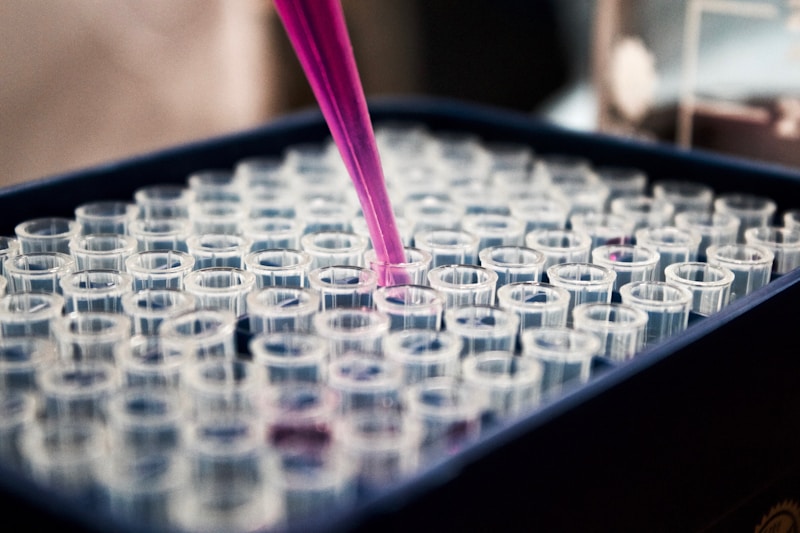
Exosomes are tiny particles, measuring just 30 to 200 nanometers, that are naturally secreted by cells in the human body. For years scientists dismissed them as cellular waste, but research over the past decade revealed something remarkable: exosomes serve as messengers between cells, carrying proteins, lipids, nucleic acids, and other bioactive molecules that instruct neighboring cells on how to behave.
When derived from stem cells, exosomes inherit the regenerative properties of their parent cells. In skincare, this means they can signal your skin cells to produce more collagen, reduce inflammation, and accelerate repair, all without transplanting actual stem cells into your body. Think of them as highly targeted delivery packages that tell aging or damaged skin cells to start acting young again.
Because exosomes are cell-free (they contain no live cells), they carry a lower risk of immune rejection compared to direct stem cell therapies. This distinction is a key reason Korean dermatologists have embraced the technology so enthusiastically.
Why Seoul Is Leading the Exosome Revolution
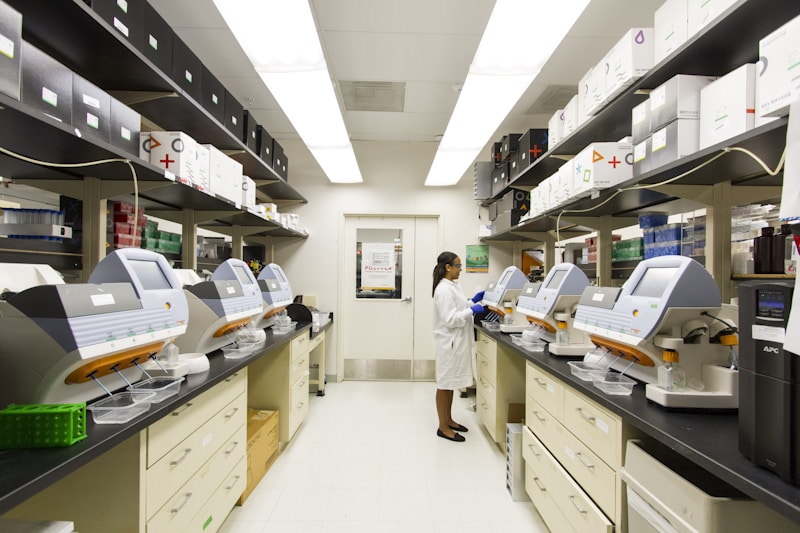
South Korea has long been a global leader in skincare innovation. The country's dermatology clinics were among the first to popularize treatments like Rejuran (salmon DNA therapy) and Shurink (focused ultrasound lifting). Now exosome therapy is following the same trajectory: developed, refined, and perfected in Korean clinical settings before spreading worldwide.
Several factors make Seoul the ideal place to try exosome therapy:
- Regulatory environment: Korean health authorities have approved multiple exosome-based products for aesthetic use, giving clinics access to rigorously tested formulations.
- Competitive pricing: With hundreds of dermatology clinics concentrated in districts like Gangnam and Apgujeong, market competition keeps prices significantly lower than in Western countries.
- Clinical expertise: Korean dermatologists perform a high volume of aesthetic procedures daily, building expertise that is difficult to match elsewhere.
- Product innovation: Korean biotech companies such as ExoCoBio (maker of the widely used ASCE+ exosome line) are headquartered in Seoul, meaning clinics often have first access to the latest formulations.
The global exosome market was valued at roughly $10.8 billion in 2021 and is projected to reach approximately $29 billion by 2026, growing at an annual rate of nearly 22%. Korean companies and clinics are positioned squarely at the center of that growth.
How Exosome Therapy Works: The Treatment Process
A typical exosome skin treatment session in Seoul follows a straightforward process:
1. Consultation
Your dermatologist examines your skin, discusses your goals, and recommends the appropriate exosome product and delivery method. Many Gangnam and Apgujeong clinics offer English-speaking consultants for international patients.
2. Skin Preparation
The treatment area is thoroughly cleansed. A topical numbing cream is applied and left on for 20 to 30 minutes to minimize discomfort.
3. Exosome Delivery
This is where methods vary. The most common delivery techniques include:
- MTS (Microneedling Therapy System): Tiny needles create micro-channels in the skin, allowing the exosome solution to penetrate deeply. This is the most widely available method.
- Potenza (RF Microneedling): Combines radiofrequency energy with microneedling for enhanced absorption and additional collagen stimulation.
- MiraJet (Needle-Free Injection): Uses high-pressure air to deliver exosomes into the skin without needles, ideal for patients with needle sensitivity.
4. Post-Treatment Care
A soothing mask or calming serum is applied. The entire session typically takes 30 to 60 minutes. Most patients experience mild redness for one to two days, with no significant downtime required.
Popular Exosome Products in Korean Clinics
- ASCE+ (ExoCoBio): The most widely used exosome product in Korean dermatology, available in 3cc and 5cc formulations.
- CellExosome: A concentrated stem cell exosome used in combination protocols.
- Exomage: Another popular option, often used with advanced delivery systems.
What Results Can You Expect?
Exosome therapy targets multiple skin concerns simultaneously:
- Firmer, more elastic skin: By stimulating collagen and elastin synthesis, exosomes help restore the structural support that aging skin loses over time.
- Smoother texture and smaller pores: Patients frequently report a refined, "glass skin" texture within weeks of treatment.
- Improved hydration: Exosomes strengthen the skin barrier, reducing transepidermal water loss and improving moisture retention from within.
- Reduced inflammation and redness: The anti-inflammatory properties of stem cell-derived exosomes can calm sensitive or irritated skin.
- Brighter, more even skin tone: Cellular renewal helps fade post-inflammatory hyperpigmentation and dullness.
Results typically begin to appear one to two weeks after treatment. For optimal outcomes, Korean dermatologists generally recommend a course of three or more sessions spaced two to four weeks apart. The effects can last six months to one year, with periodic maintenance sessions extending longevity.
Exosome Therapy Prices in Seoul (2025-2026)
One of the biggest draws for international patients is the cost. Exosome treatments in Seoul are substantially more affordable than in the United States or Europe.
| Treatment | Seoul Price (USD) | US Price (USD) | Potential Savings |
|---|---|---|---|
| Exosome + MTS (3cc) | $70 - $150 | $300 - $600 | 50-75% |
| Exosome + MTS (5cc) | $150 - $310 | $500 - $900 | 55-70% |
| Exosome + Potenza | $200 - $400 | $600 - $1,200 | 60-70% |
| Exosome + MiraJet | $180 - $350 | $500 - $1,000 | 55-65% |
Prices as of early 2026 based on Seoul clinic listings. Conversion rate: approximately 1,300 won = 1 USD. Actual costs vary by clinic, product brand, volume, and delivery method. Contact clinics directly for current pricing.
Budget-conscious patients can find ASCE+ exosome sessions starting as low as $70 per session at competitive clinics in central Seoul. Premium clinics in Apgujeong and Cheongdam may charge toward the higher end, but often include additional treatments such as LED therapy or post-care masks in their packages.
Where to Get Exosome Therapy in Seoul
Several well-known clinics in Seoul's key dermatology districts offer exosome treatments with English-language support:
- Gangnam district: Home to the highest concentration of dermatology clinics in Seoul. Clinics near Gangnam Station (Exit 10) are easily accessible by subway Line 2.
- Apgujeong and Cheongdam: The premium beauty district, where many clinics cater specifically to international patients and offer VIP-level service.
- Myeongdong and Jung-gu: A more budget-friendly option with clinics offering competitive exosome packages, often targeting medical tourists.
Platforms like Yeoshin Ticket and Modoodoc allow you to compare prices and read patient reviews before booking. Many clinics also accept reservations through Instagram DMs or KakaoTalk.
Frequently Asked Questions
Q: Is exosome therapy safe? A: Exosome therapy is considered safe when performed by a licensed dermatologist using approved products. Because exosomes are cell-free, the risk of immune rejection is minimal. Side effects are typically limited to temporary redness and mild swelling at the treatment site.
Q: How many sessions do I need? A: Most Korean dermatologists recommend three to five sessions spaced two to four weeks apart for best results. Maintenance sessions every three to six months can extend the benefits.
Q: Can I combine exosome therapy with other treatments? A: Yes. Exosomes are frequently combined with laser toning, Rejuran, or Shurink treatments for a comprehensive anti-aging protocol. Your dermatologist can design a customized plan based on your skin concerns.
Q: Is there any downtime? A: Downtime is minimal. Most patients return to their normal routine the same day. Mild redness may last one to two days. Avoid direct sunlight and heavy makeup for 24 to 48 hours after treatment.
Q: How is exosome therapy different from PRP (platelet-rich plasma)? A: While both are regenerative treatments, PRP uses your own blood platelets, whereas exosome therapy uses lab-derived stem cell exosomes. Exosomes deliver a more concentrated and consistent set of growth factors, and the treatment does not require a blood draw.
The Bottom Line
Exosome therapy in Korea represents a genuine leap forward in regenerative skincare. Backed by serious science and refined by Seoul's world-class dermatologists, it offers a non-invasive path to firmer, smoother, and more radiant skin at a fraction of the price you would pay in Western countries. Whether you are planning a dedicated medical tourism trip or adding a treatment to an existing Seoul itinerary, exosome therapy deserves a spot on your shortlist.
Ready to explore exosome therapy in Seoul? Start by researching clinics in Gangnam or Apgujeong, compare prices on platforms like Yeoshin Ticket, and book a consultation with an English-speaking dermatologist to find out if this next-generation treatment is right for your skin.
Medical Disclaimer: This article provides general information about exosome therapy and is not intended as medical advice. Individual results vary, and all cosmetic procedures carry some degree of risk. Always consult with a qualified, licensed healthcare professional before undergoing any medical or cosmetic treatment. The prices listed are approximate and subject to change based on clinic, product, and exchange rate fluctuations.
Last Updated: February 2026 Reading Time: 7 minutes