How to Prepare for Your First Korean Dermatology Visit
Walking into a Korean dermatology clinic for the first time can feel overwhelming — different language, unfamiliar procedures, and a medical system that works differently from what you may be used to back home. But here is the good news: Korean dermatology clinics are among the most advanced and affordable in the world, and many are well-equipped to serve international patients. With the right preparation, your first Korean dermatology visit can be smooth, efficient, and even enjoyable.
This guide covers everything you need to know — from the documents you should bring to the Korean phrases that will help you communicate with clinic staff.
Before Your Visit: Research and Preparation
Choose the Right Clinic
Not every dermatology clinic in Seoul offers the same level of English support. Before booking, consider these factors:
- English-speaking staff: Look for clinics that advertise "외국인 진료" (foreigner services) or "English Available" on their websites.
- Location: Gangnam, Apgujeong, and Myeongdong districts have the highest concentration of foreigner-friendly clinics.
- Specialization: Some clinics focus on laser treatments, others on injectables or medical dermatology. Match the clinic to your needs.
- Online reviews: Check platforms like Naver, the Gangnam Unni app (강남언니), or its international version called UNNI, which is available in 104 countries and lets you request consultations directly with Korean clinics.
Gather Your Documents
Korean clinics require specific documentation at registration. Bring the following:
- Passport — Required for all foreign patients. This is your primary ID at any Korean medical facility.
- Alien Registration Card (ARC) — If you are a resident in Korea, bring your 외국인등록증. This links to your Korean health insurance if you have it.
- Health insurance card or policy number — If you are enrolled in Korean National Health Insurance (NHIS), bring your insurance card. If you have international travel insurance, bring your policy documents in case you need to file a claim later.
- Medical records or photos — If you have a specific skin concern, bring any relevant medical history, previous prescriptions, or photos showing the progression of your condition.
- List of current medications — Korean doctors will want to know what you are currently taking, including supplements.
- Cash and credit card — Korean clinics accept both, and some offer installment payment plans for cosmetic procedures. International cards (Visa, Mastercard) are widely accepted.
Know What You Want
Korean dermatology consultations move quickly. The average consultation lasts 10 to 15 minutes, so having a clear idea of your concerns helps you make the most of your time. Write down:
- Your main skin concerns (acne, pigmentation, aging, etc.)
- Any treatments you have researched or are interested in
- Your budget range
- How long you will be in Korea (important for treatments requiring follow-up sessions)
What to Expect at a Korean Dermatology Clinic
Korean dermatology clinics operate differently from Western practices. Here is what the experience typically looks like:
The Clinic Environment
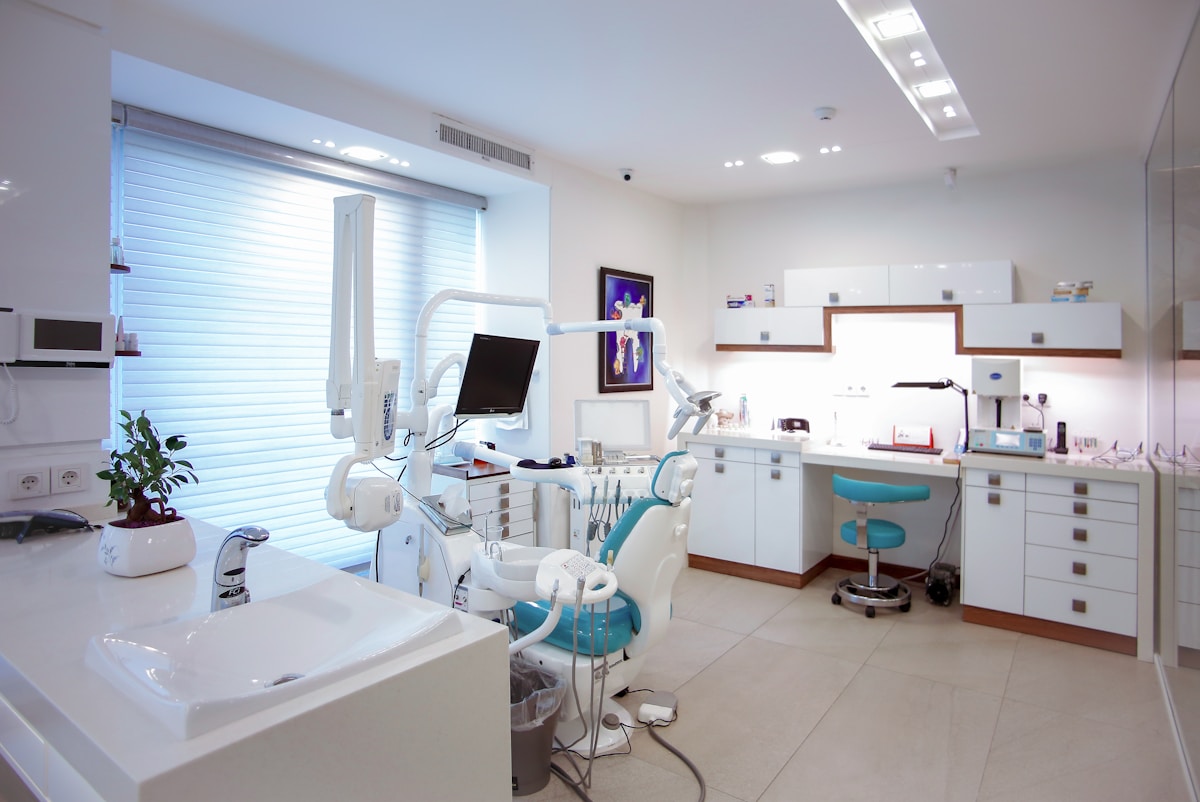
Most Korean dermatology clinics, even small neighborhood ones (의원), are modern, clean, and well-equipped. Do not be surprised by the hotel-like interiors — this is standard in Korea. Many clinics have separate waiting areas for consultation patients and procedure patients.
Walk-In vs. Appointment
Unlike many Western countries where you need a referral or weeks-long wait, many Korean clinics accept walk-in patients. However, for foreigner-friendly clinics in popular areas like Gangnam, making an appointment is recommended to ensure English-speaking staff are available.
You can book through:
- The clinic's website or phone line
- The UNNI app (for cosmetic procedures)
- Medical tourism agencies like Medical Korea (operated by the Korean Ministry of Health and Welfare)
- Direct KakaoTalk messaging (many clinics have official accounts)
Step-by-Step: Your First Consultation
Step 1: Registration (접수)
When you arrive, go to the front desk (접수 데스크) and present your passport or ARC. You will fill out a registration form with:
- Name, nationality, and date of birth
- Contact information (Korean phone number if available, or email)
- Medical history and allergies
- Current medications
- Reason for your visit
Some clinics provide English registration forms. If not, staff can usually help you fill it out.
Step 2: Waiting
You will receive a number and wait in the lobby. Wait times vary from 10 minutes to over an hour depending on the clinic. Many clinics have free Wi-Fi and refreshments.
Step 3: Consultation with the Doctor (진료)
The doctor will examine your skin, ask about your concerns, and recommend a treatment plan. In Korea, doctors often suggest treatments right away and may recommend a package if you mention how long you will be staying. Do not feel pressured — you can always ask for time to think.
Key tip: Korean dermatologists tend to be direct and efficient. They may recommend multiple treatments in one session. Ask questions about each recommendation and request a cost breakdown before agreeing to anything.
Step 4: Treatment (시술) — If Same Day
Many clinics can perform treatments immediately after consultation. For procedures like laser toning, chemical peels, or Botox, you may be taken to a treatment room right away. More involved procedures like Shurink (HIFU) or Rejuran injections may be scheduled for a later date.
Step 5: Payment and Prescriptions (수납)
After your consultation or treatment, you will pay at the payment desk. You will receive:
- A receipt (영수증) — Keep this for insurance claims
- A prescription (처방전) if medication is needed — Take it to a nearby pharmacy (약국)
Important: Korea practices a separation of prescribing and dispensing (의약분업). Doctors prescribe, but you must get your medication from a pharmacy, not the clinic.
Essential Korean Phrases for Clinic Visits
You do not need to speak Korean fluently, but a few phrases go a long way in earning goodwill and ensuring smooth communication:
| English | Korean | Pronunciation |
|---|---|---|
| I have an appointment | 예약했어요 | ye-yak-hae-sseo-yo |
| It is my first visit | 처음 방문이에요 | cheo-eum bang-mun-i-e-yo |
| I do not speak Korean well | 한국어 잘 못해요 | han-guk-eo jal mot-hae-yo |
| Is there an English-speaking staff? | 영어 가능한 분 계세요? | yeong-eo ga-neung-han bun gye-se-yo? |
| I am here for a skin consultation | 피부 상담 받으러 왔어요 | pi-bu sang-dam ba-deu-reo wa-sseo-yo |
| How much does it cost? | 비용이 얼마예요? | bi-yong-i eol-ma-ye-yo? |
| I have sensitive skin | 민감한 피부예요 | min-gam-han pi-bu-ye-yo |
| Does it hurt? | 아파요? | a-pa-yo? |
| Can I pay by card? | 카드 결제 가능해요? | ka-deu gyeol-je ga-neung-hae-yo? |
| Thank you | 감사합니다 | gam-sa-ham-ni-da |
| Where is the pharmacy? | 약국 어디 있어요? | yak-guk eo-di i-sseo-yo? |
Pro tip: Save these phrases on your phone for quick reference, or use the Papago translation app (by Naver), which handles Korean medical terminology far better than most other translation apps.
Payment and Insurance Information
Costs for Foreign Tourists (Without Korean Insurance)
If you are visiting Korea as a tourist, you will pay the full uninsured rate for your visit. However, even at full price, Korean dermatology is significantly cheaper than comparable services in the US, UK, or Australia — typically 30% to 70% less.
Here are typical consultation and treatment costs as of February 2026:
| Service | Cost (KRW) | Cost (USD) |
|---|---|---|
| Initial consultation | ₩30,000–₩50,000 | $23–$38 |
| Laser toning (per session) | ₩100,000–₩200,000 | $77–$154 |
| Botox (forehead/glabella) | ₩200,000–₩400,000 | $154–$308 |
| Dermal filler (1cc) | ₩400,000–₩800,000 | $308–$615 |
| Rejuran Healer | ₩400,000–₩650,000 | $308–$500 |
| Shurink (HIFU) | ₩650,000–₩1,000,000 | $500–$769 |
| Mole removal (per mole) | ₩10,000–₩30,000 | $8–$23 |
Prices as of February 2026. Actual costs vary by clinic and treatment area. Exchange rate: ₩1,300 ≈ $1 USD. Contact clinics directly for current pricing.
For Foreign Residents With Korean Insurance
If you are enrolled in Korean National Health Insurance (건강보험), you only pay about 30% of the covered treatment cost. However, most cosmetic procedures (lasers, fillers, Botox, skin boosters) are classified as non-covered (비급여) items, meaning insurance does not apply and you pay the full amount.
Insurance typically covers:
- Medical dermatology (eczema, psoriasis, skin infections, severe acne)
- Prescription medications
- Diagnostic tests
Payment Methods
Korean clinics accept:
- Credit and debit cards (Visa, Mastercard, local Korean cards)
- Cash (Korean Won)
- Bank transfer (for larger procedures)
- Some clinics offer interest-free installment plans for treatments over ₩500,000 ($385)
Medical Tourism Support
The Korean government operates Medical Korea (medicalkorea.or.kr), which provides free support for international patients including:
- Translation and interpretation services
- Consultation on medical procedures
- Legal support
- You can call the Medical Call center at +82-1577-7129 for assistance in English, Chinese, Japanese, Russian, and Arabic.
Post-Visit Tips
After Your Consultation
- Save all receipts — You will need them for international insurance claims or Korean tax deductions.
- Follow aftercare instructions carefully — Korean clinics often provide detailed post-treatment skincare routines. Follow them exactly, especially regarding sun protection.
- Pick up prescriptions promptly — Prescriptions in Korea are valid for a limited time. Visit a pharmacy (약국) near the clinic right after your appointment.
- Schedule follow-ups before leaving — If your treatment plan requires multiple sessions, book them all at once to secure your preferred time slots.
- Ask for English documentation — Request an English summary of your treatment and any prescriptions. This is useful for your doctor back home.
Skincare After Treatment
Korean dermatologists typically recommend:
- Avoid direct sunlight for 48 to 72 hours after laser treatments
- Use SPF 50+ sunscreen daily (you can find excellent Korean sunscreens at any pharmacy)
- Avoid saunas (찜질방), hot baths, and alcohol for 24 to 48 hours after injectable treatments
- Follow the prescribed skincare routine — do not substitute with your own products without asking
Frequently Asked Questions
Q: Do I need a visa specifically for medical treatment in Korea? A: No. Korean law does not restrict medical treatment by visa type. You can receive dermatology services on a tourist visa (B-1/B-2), student visa, work visa, or any other valid visa. For extended treatment plans, a C-3-3 medical tourism visa is available but not required for short visits.
Q: Can I walk into a clinic without an appointment? A: Yes, many Korean clinics accept walk-ins. However, for foreigner-friendly clinics, booking ahead ensures English-speaking staff are available and reduces wait time.
Q: What if I do not speak any Korean? A: Clinics in Gangnam, Apgujeong, and Myeongdong typically have English-speaking coordinators. You can also use the Papago translation app in real time, or call the Medical Korea helpline (+82-1577-7129) for free interpretation services.
Q: Are Korean dermatology treatments safe? A: Korea has some of the strictest medical regulations in Asia. All clinics must be operated by licensed physicians, and cosmetic procedures are highly regulated. That said, always verify that your clinic is officially registered and that the treating doctor is a board-certified dermatologist (피부과 전문의).
Q: Can I get a refund if I am not satisfied? A: Refund policies vary by clinic. Most clinics do not offer refunds for completed treatments but may offer complimentary follow-up sessions if results are not as expected. Always discuss expectations and policies before treatment.
Conclusion
Preparing for your first Korean dermatology visit does not have to be stressful. With the right documents, realistic expectations, and a handful of useful Korean phrases, you will be ready to take advantage of Korea's world-class skincare services at a fraction of what you would pay in most Western countries.
The key steps: choose a foreigner-friendly clinic, bring your passport and insurance documents, know what you want to discuss, and do not be afraid to ask questions — even in English. Korean dermatology staff are accustomed to international patients and are generally welcoming and helpful.
Ready to book your first visit? Start by browsing clinics in Gangnam or Apgujeong, check for English support, and make an appointment today. Your skin will thank you.
Last Updated: February 11, 2026 Reading Time: 9 minutes