Post-Treatment Skincare Routine: What to Do After Your Korean Clinic Visit
You just walked out of a dermatology clinic in Gangnam with freshly treated skin. Whether you had laser resurfacing, filler injections, Botox, or a chemical peel, what you do in the next few hours and days matters just as much as the procedure itself. Post treatment skincare in Korea is something clinics take seriously, and you should too. This guide breaks down exactly how to care for your skin after the most popular Korean clinic treatments so you can maximize results and avoid complications.
Why Aftercare Matters More Than You Think
Korean dermatologists emphasize that proper aftercare can make or break your treatment results. When your skin undergoes any clinical procedure, the barrier is temporarily compromised. Skin cell regeneration happens most intensely during the first seven days, and how you support that process directly affects outcomes like healing speed, pigmentation risk, and how long your results last. Skipping aftercare or using the wrong products can lead to redness, infection, hyperpigmentation, or diminished treatment effects.
Universal Aftercare Rules for All Treatments
Before diving into treatment-specific advice, here are the golden rules that apply no matter what procedure you had done at a Korean clinic:
- Sunscreen is non-negotiable. Use SPF 30-50 with PA+++ or higher. Korean clinics recommend reapplying every 2-3 hours, especially after laser treatments.
- Avoid saunas, hot baths, and steam rooms for at least 5-7 days. Heat increases blood flow and swelling, which can worsen side effects.
- No alcohol for at least one week. Alcohol dilates blood vessels and slows healing.
- Skip intense exercise for 3-5 days. Sweating irritates freshly treated skin and can introduce bacteria.
- Do not touch, rub, or pick at the treatment area. Let your skin heal naturally.
Laser Treatment Aftercare
Laser procedures, from fractional CO2 lasers to IPL and pigment lasers, are among the most popular treatments at Korean dermatology clinics. They are also the ones that require the most disciplined aftercare routine.
Days 1-3: Immediate Recovery
Your skin will likely be red, swollen, and sensitive. Some patients notice mild oozing or a warm sensation. This is normal. During this phase:
- Cleanse gently. Wait at least 24 hours before washing your face. When you do, use lukewarm water and a mild, fragrance-free cleanser. Never scrub or rub the treatment area.
- Apply healing ointment. Your clinic will likely provide a regeneration cream or prescribe a specific ointment. Apply a thin layer to the treated area as directed.
- Use regeneration tape if provided. Korean clinics often apply specialized regeneration tape (jaesaeng tape) after ablative laser procedures. Keep it on for 3-4 days unless instructed otherwise.
- Ice carefully. If you experience heat or swelling, wrap an ice pack in a clean towel and apply gently. Do not place ice directly on the skin.
Days 4-10: Peeling and Regeneration
Scabs and flaking skin will appear around days 7-10. This is your skin regenerating underneath. Whatever you do, do not peel or pick at scabs. Let them fall off naturally while keeping the area well-moisturized.
Days 10-30: Rebuilding
Switch to a barrier-repair moisturizer containing ceramides and hyaluronic acid. You can gradually reintroduce gentle serums with niacinamide and peptides to support collagen production. Avoid retinol, AHA, BHA, and vitamin C for at least two to four weeks.
Filler Aftercare
Dermal fillers, whether in the lips, nasolabial folds, chin, or forehead, require careful handling in the days following injection. Korean clinic aftercare guides from leading practices like Barabom and Seoul Asan Medical Center highlight these key points:
The First 48 Hours
- Do not massage or press the treated area. Fillers need time to settle into position. Rubbing can cause the product to migrate.
- Makeup can wait. Avoid applying cosmetics to the injection site for at least 24 hours. When you resume, be extremely gentle.
- Sleep on your back. Avoid sleeping on the treated side to prevent pressure on the filler.
Area-Specific Precautions
- Forehead filler: Avoid wearing hats or headbands for 2-4 weeks.
- Nose filler: Do not wear glasses for 2-4 weeks; the pressure can shift the filler.
- Lip filler: Avoid using straws for one week and refrain from excessive lip movements.
- Chin filler: Do not rest your chin on your hand or apply downward pressure.
What to Expect
Swelling and minor bruising are normal and typically resolve within 3-7 days. If you notice severe pain, the area turning white or unusually red, or symptoms persisting beyond one week, contact your clinic immediately, as this could indicate a vascular complication.
Filler results generally last around 12 months, but combining regular Botox with fillers has been shown to extend the longevity of filler results.
Botox Aftercare
Botox is one of the quickest procedures at Korean clinics, often taking under 15 minutes. But the aftercare window is critical for ensuring the toxin settles into the targeted muscles properly.
First 4-6 Hours
- Stay upright. Do not lie down for at least 4 hours after injection to prevent the Botox from migrating to unintended muscles.
- Do not touch the injection sites. Avoid rubbing your forehead, frown lines, or any treated area.
- Gentle cleansing only. You can wash your face with running water 2-3 hours after treatment, but avoid vigorous scrubbing.
First Week
- Avoid strenuous exercise, alcohol, saunas, and hot baths for 3-7 days.
- Forehead and frown line Botox: Resist the urge to constantly test whether it is working by frowning or raising your eyebrows. Overusing these muscles during the first week can reduce effectiveness.
- Jaw Botox (masseter): Avoid hard or chewy foods for several days, as excessive chewing can counteract the treatment.
- Trapezius Botox: Do not carry heavy shoulder bags or receive shoulder massages for two weeks.
Botox results typically appear within 3-7 days and reach full effect at 2-4 weeks. Results last 3-5 months on average.
Chemical Peel Aftercare
Chemical peels, from light glycolic peels to deeper TCA peels, are a staple of Korean dermatology. The depth of your peel determines the intensity of aftercare required, but the fundamentals remain the same.
Immediate Post-Peel Care
- No washing for 24 hours. The active ingredients need time to fully penetrate. Washing too soon can reduce effectiveness and irritate the skin.
- Apply a calming essence. Korean clinics recommend layering a soothing, centella-based or hyaluronic acid essence in thin coats to calm redness and provide hydration.
- Moisturize aggressively. Your skin's moisture barrier has been intentionally disrupted. Use a rich, fragrance-free moisturizer with ceramides multiple times daily.
Days 2-7: The Peeling Phase
Your skin will begin to flake and shed. This is the treatment working as intended. Do not pull off peeling skin, as premature removal can cause scarring and hyperpigmentation. Cleanse gently for 5-6 days, and let the dead skin fall off on its own while keeping the area hydrated.
Ingredients to Avoid
For at least two weeks after a peel, stop using products containing retinol, AHA, BHA, vitamin C, and any other exfoliating acids. These ingredients are too harsh for recovering skin and can cause chemical burns or severe irritation. When you reintroduce them, start with the lowest concentration at a reduced frequency.
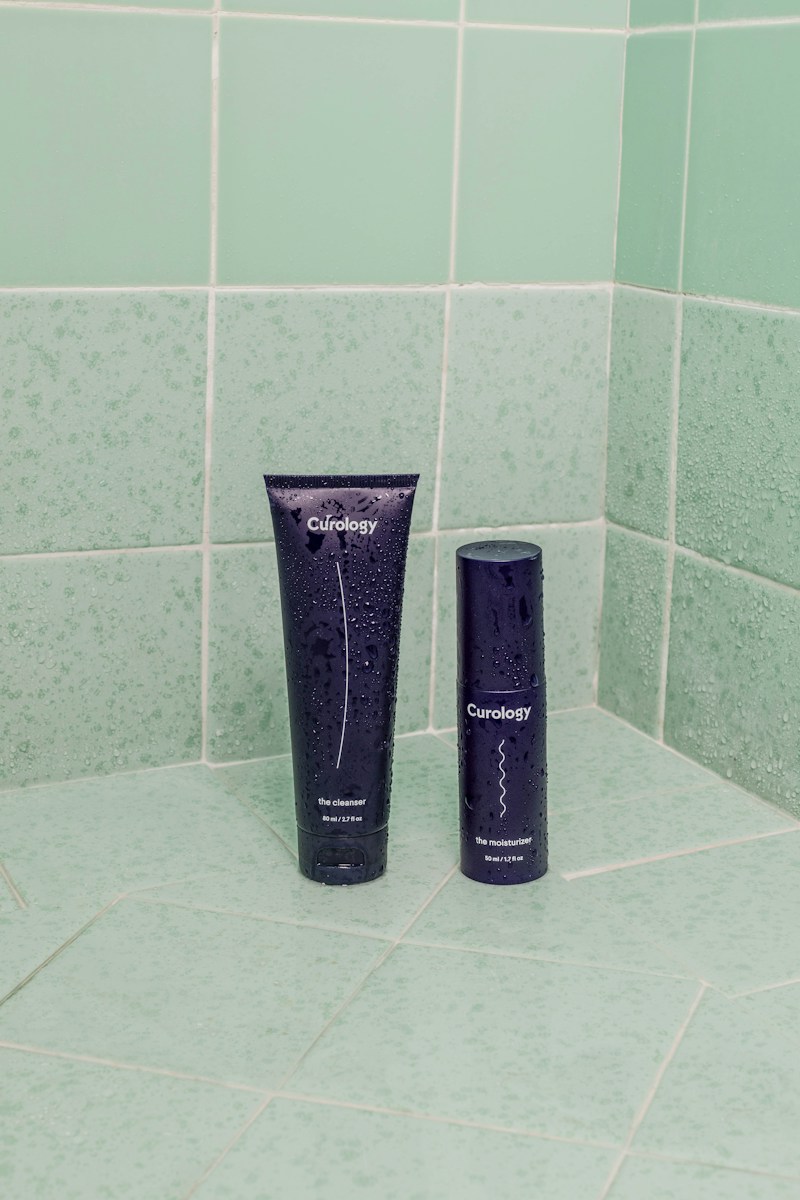
Recommended Post-Treatment Products
Korean clinics and dermatologists frequently recommend the following types of products for post-treatment recovery:
- Gentle cleanser: A low-pH, fragrance-free foam or gel cleanser that will not strip your skin.
- Centella asiatica products: Known as "cica" in K-beauty, centella-based creams and serums are a go-to for calming inflammation and supporting wound healing.
- Ceramide moisturizers: Ceramides rebuild the skin barrier. Look for products listing ceramide NP, AP, or EOP in the first few ingredients.
- Hyaluronic acid serums: Provide deep hydration that helps skin cells regenerate more efficiently.
- Mineral sunscreen (SPF 50, PA++++): Physical (mineral) sunscreens with zinc oxide are less irritating than chemical sunscreens on freshly treated skin.
Prices as of February 2026. Consult your clinic for specific product recommendations tailored to your treatment.
FAQ
Q: Can I fly right after a treatment in Korea? A: For Botox and fillers, most clinics advise waiting at least 24-48 hours before flying, as cabin pressure changes can increase swelling. For laser treatments and peels, you can fly the same day, but keep your skin well-moisturized and protected from the dry cabin air.
Q: When can I wear makeup after a Korean clinic treatment? A: After Botox, light makeup is usually fine after 2-3 hours. For fillers, wait 24 hours. After laser treatments and chemical peels, most clinics recommend waiting 5-7 days or until all scabbing and peeling has resolved.
Q: How soon can I get another treatment? A: This depends on the procedure. Botox touch-ups are typically done at 2-4 weeks. Filler adjustments happen after 2 weeks once swelling subsides. Laser sessions are usually spaced 4-6 weeks apart. Chemical peels vary from 2 weeks (light) to 6-8 weeks (deep).
Q: What if I notice something wrong after leaving Korea? A: Most reputable Korean clinics offer follow-up consultations via KakaoTalk or email. Before your treatment, ask your clinic about their remote follow-up policy. If you experience severe symptoms like intense pain, skin turning white, or signs of infection, seek medical attention locally and contact your Korean clinic as soon as possible.
Q: Should I bring my own skincare products to Korea? A: You can, but many Korean clinics provide post-treatment skincare kits included in the treatment price. Ask about this during your consultation. If you prefer your own products, bring fragrance-free, gentle options and leave your actives (retinol, acids, vitamin C) at home.
Final Thoughts
Getting a treatment at a Korean clinic is only half the journey. The aftercare you follow in the hours, days, and weeks that follow determines whether you walk away with glowing, long-lasting results or deal with unnecessary complications. Stick to your clinic's instructions, keep it simple with gentle and hydrating products, and give your skin the time it needs to heal properly.
Planning a skincare treatment trip to Seoul? Save this guide for reference and consult with your Korean clinic about a personalized aftercare plan before your procedure.
Medical Disclaimer: This article provides general information about post-treatment skincare. It is not intended as medical advice. Always consult with a qualified healthcare professional before and after undergoing any medical or cosmetic procedure. Individual results and recovery times may vary.
Last Updated: February 2026 Reading Time: 7 minutes