Medical Tourism Insurance & Payment Guide for Korean Skincare Treatments
Planning a skincare trip to Korea involves more than just choosing treatments and clinics. Understanding how to pay, what insurance covers, and how to protect yourself financially is essential for a stress-free medical tourism experience. This guide covers everything you need to know about the financial side of getting skincare treatments in Seoul.
Payment Methods Accepted at Korean Clinics
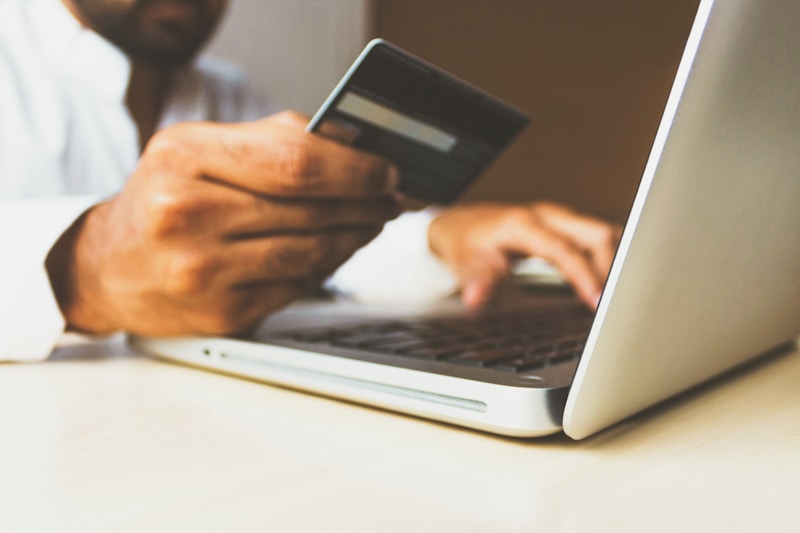
Credit and Debit Cards
Most Korean dermatology clinics accept major international credit cards:
- Visa — Accepted almost everywhere
- Mastercard — Widely accepted
- American Express — Accepted at larger clinics, less common at smaller ones
- UnionPay — Widely accepted (popular with Chinese tourists)
- JCB — Accepted at tourist-friendly clinics
Tips for card payment:
- Inform your bank about Korea travel to prevent fraud blocks
- Some banks charge 1–3% foreign transaction fees — consider a travel credit card with no FX fees
- Always choose to pay in KRW (Korean Won), not your home currency, to avoid Dynamic Currency Conversion (DCC) markups
Cash (Korean Won)
Cash remains popular at Korean clinics, and some smaller clinics may offer a 3–5% discount for cash payment since they avoid card processing fees.
- Exchange currency at banks or money changers in Myeongdong and Itaewon for the best rates
- ATMs at convenience stores (CU, GS25, 7-Eleven) accept international cards
- Withdrawal limits typically ₩1,000,000 ($770) per transaction
Wire Transfer / Bank Transfer
For expensive treatment packages or multiple procedures, some clinics accept international wire transfers. This is more common when booking through medical tourism agencies.
Mobile Payment
- Apple Pay — Recently launched in Korea, accepted at some clinics
- Samsung Pay — Widely accepted
- Kakao Pay / Naver Pay — Requires a Korean bank account
Insurance Options for Medical Tourists
Does Regular Travel Insurance Cover Skincare Treatments?
In most cases, no. Standard travel insurance covers emergency medical situations (accidents, sudden illness) but explicitly excludes:
- Elective cosmetic procedures
- Pre-planned medical treatments
- Skincare and aesthetic procedures
However, travel insurance IS important for:
- Coverage if you have complications requiring emergency care
- Trip cancellation/interruption protection
- General health emergencies unrelated to your treatments
Medical Tourism Insurance
Specialized medical tourism insurance policies exist that may cover:
- Complications arising from cosmetic procedures
- Follow-up treatment costs
- Extended stay if recovery takes longer than planned
- Medical evacuation if needed
Recommended providers to research:
- Global Protective Solutions — Medical tourism-specific coverage
- Medjet — Medical evacuation services
- IMG (International Medical Group) — Travel medical insurance with some cosmetic coverage options
Korean Government Medical Tourism Support
The Korean government actively supports medical tourism through:
- Korea Medical Tourism Information Center — Free consultation services at Incheon Airport
- Medical Korea (visitmedicalkorea.com) — Official medical tourism portal with vetted clinics
- 1330 Korea Travel Hotline — Multilingual assistance including medical tourism support
Understanding Korean Clinic Pricing
Consultation Fees
- Many Korean dermatology clinics offer free consultations for skincare treatments
- Some premium clinics charge ₩30,000–₩50,000 ($23–$38) for initial consultation, often deducted from treatment cost if you proceed
Price Transparency
Korean clinics typically:
- Display base prices on their websites or in-clinic menus
- Offer different prices for different filler brands or laser types
- Provide package discounts for multiple sessions
- May have separate "foreigner prices" at tourist-heavy locations (always ask for the Korean menu price)
Negotiation Tips
- Ask about packages — Bundling treatments almost always gets a discount
- Mention competitor prices — Clinics may match or beat rival offers
- Visit during off-peak hours — Weekday mornings are least busy
- Book through medical tourism platforms — Sometimes offers exclusive discounts
- Pay in cash — Some clinics offer 3–5% cash discounts
Tax Refunds for Foreign Tourists
VAT Refund on Medical Services
As of 2024, foreign tourists can receive a VAT refund on certain medical services in Korea:
- Applies to clinics registered with the Korea Tourism Organization's medical tourism program
- Refund is typically 10% of the treatment cost
- You'll need your passport and receipt
- Refund can be claimed at airport tax refund counters
How to Claim Your Tax Refund
- Ensure the clinic is registered for the tax refund program (ask before paying)
- Request a tax refund receipt at the time of payment
- Keep all receipts and your passport
- At the airport, visit the tax refund counter before checking in
- Refunds can be received in cash (KRW) or credited to your card
What to Do If Something Goes Wrong
Communication First
- Contact your clinic immediately if you experience unexpected side effects
- Most reputable clinics provide a post-treatment contact number
- Many clinics have KakaoTalk (Korean messaging app) support
Requesting a Refund or Correction
- Korean clinics will generally offer free correction treatments for unsatisfactory results
- Full refunds are uncommon but partial refunds may be negotiable
- Document everything with photos and save all receipts
Filing a Complaint
If you can't resolve an issue directly with the clinic:
- Korea Consumer Agency — Handles consumer complaints including medical services
- Korean Medical Dispute Mediation & Arbitration Agency — Mediates medical disputes
- 1330 Korea Travel Hotline — Can assist with translation and initial guidance
- Your Embassy — Can provide local legal contacts
Legal Protections
- Korean law protects medical tourists under the same consumer protection regulations as Korean citizens
- Medical malpractice laws apply regardless of the patient's nationality
- Keep all documentation: receipts, consent forms, before/after photos, communication records
Budgeting for Your Seoul Skincare Trip
Sample Budget (3-Day Skincare Trip)
| Expense | Budget Range |
|---|---|
| Flights (varies by origin) | $300–$1,500 |
| Accommodation (3 nights) | $150–$600 |
| Skincare treatments | $200–$2,000 |
| Food & transport | $100–$300 |
| Shopping (K-beauty products) | $50–$300 |
| Total | $800–$4,700 |
Money-Saving Tips
- Book treatments in advance for potential early-bird discounts
- Stay in Gangnam or Sinsa-dong to minimize transport to clinics
- Visit Olive Young for affordable K-beauty products
- Use T-money card for discounted public transport
- Eat at Korean restaurants (delicious and affordable, ₩8,000–₩15,000 per meal)
Tipping Culture
Korea has no tipping culture. Do not tip at clinics, restaurants, or for any services. Prices are all-inclusive, and tipping may cause confusion or even slight offense.
Frequently Asked Questions
Should I buy medical tourism insurance?
If you're planning significant procedures (extensive filler work, thread lifts, laser resurfacing), medical tourism insurance is recommended for peace of mind. For basic treatments (facials, light lasers, Botox), standard travel insurance is usually sufficient.
Can I use my Korean health insurance for skincare treatments?
Cosmetic and aesthetic treatments are not covered by Korean National Health Insurance (NHI). These are considered elective procedures and must be paid out of pocket.
What currency should I bring?
Korean Won (KRW) is the only currency accepted. Exchange at banks, airport kiosks, or Myeongdong money changers. Credit cards are widely accepted.
Do Korean clinics offer payment plans?
Some larger clinics offer installment payment plans for expensive procedures, but these typically require a Korean bank account or credit card. International visitors generally need to pay in full at the time of treatment.
How do I verify a clinic is legitimate?
- Check registration on the Korean Ministry of Health and Welfare website
- Look for reviews on Naver (Korean search engine), Google, and medical tourism platforms
- Verify through visitmedicalkorea.com (official government portal)
- Ask for the doctor's medical license number
Final Thoughts
Financial preparation is just as important as choosing the right treatments. By understanding payment options, insurance coverage, and tax refund opportunities, you can maximize the value of your Seoul skincare trip while protecting yourself in case of any issues. Korea's well-regulated medical tourism infrastructure makes it one of the safest and most transparent destinations for international beauty seekers.
Disclaimer: This article is for informational purposes only and does not constitute financial or medical advice. Insurance policies vary — always read the fine print and consult with your insurance provider before traveling. Prices and policies mentioned are approximate and subject to change.