Your First Dermatology Visit in Korea: What to Expect as a Foreigner
Planning your first dermatology visit in Korea can feel overwhelming, but the process is far more streamlined than you might expect. In 2024, over 700,000 foreign patients visited Korean dermatology clinics — more than half of all international medical visitors to the country. Korean clinics are well-practiced at welcoming patients from abroad, with multilingual staff, efficient systems, and world-class treatments at a fraction of what you would pay back home.
This guide walks you through every step, from booking to treatment to payment.
Before Your Visit: Booking Your Appointment
There are several ways to book a dermatology appointment in Korea as a foreigner:
- Clinic websites — Many Seoul clinics have English pages with online booking or KakaoTalk consultation links.
- Booking platforms — Apps like Gangnam Unni (강남언니) and iipuda (이뿌다) let you compare clinics, get quotes, and book with interpreter matching.
- Direct messaging — Most clinics respond on KakaoTalk, Instagram DMs, or WhatsApp.
- Walk-ins — Smaller neighborhood clinics accept walk-ins, though wait times can be longer. Premium clinics require reservations.
- Medical tourism agencies — Services like Mediround connect foreign patients with vetted clinics and provide end-to-end coordination.
Tip: Book early in your trip. Laser and skin treatments often require a recovery window of 2-5 days, so scheduling your visit on day one or two gives your skin time to heal before you fly home.
Documents and Items to Bring
Preparation makes the registration process much faster. Here is your checklist:
- Passport (required for registration — clinics use this instead of a Korean ID)
- Travel insurance documents (PDF or printed copy)
- Current medication list (in English, including dosages)
- Medical history summary (in English — any allergies, skin conditions, past treatments)
- Credit/debit card (Visa and Mastercard widely accepted)
- Cash in Korean Won (some smaller clinics prefer cash; also useful for taxi rides)
- Phone with translation app installed (Papago or Google Translate)
- Sunscreen and a hat (for post-treatment sun protection on your way home)
Travel Insurance and Costs
Most cosmetic dermatology treatments in Korea are classified as elective procedures and are not covered by standard travel insurance. Check your policy before you go.
Key points:
- Korean clinics are out-of-network for most international insurance, so you pay upfront and submit for reimbursement later.
- Cosmetic procedures (Botox, fillers, lasers) are generally self-pay.
- Medical dermatology (eczema, acne prescriptions) may be partially covered — check with your insurer.
- Tax refund: Foreign tourists may be eligible for a VAT refund on cosmetic procedures. Bring your passport and ask the clinic to process the paperwork. Claim the refund at the airport before departure.
Step-by-Step: What Happens During Your Visit
Step 1: Arrival and Registration
When you arrive at the clinic, head to the front desk. You will need to:
- Present your passport for identification
- Fill out a registration form (often available in English, Chinese, and Japanese)
- Provide your contact information and Korean address (your hotel is fine)
- Indicate any allergies or medications
Many clinics have foreign patient coordinators who wear flag badges showing which languages they speak.
Step 2: Consultation with the Doctor
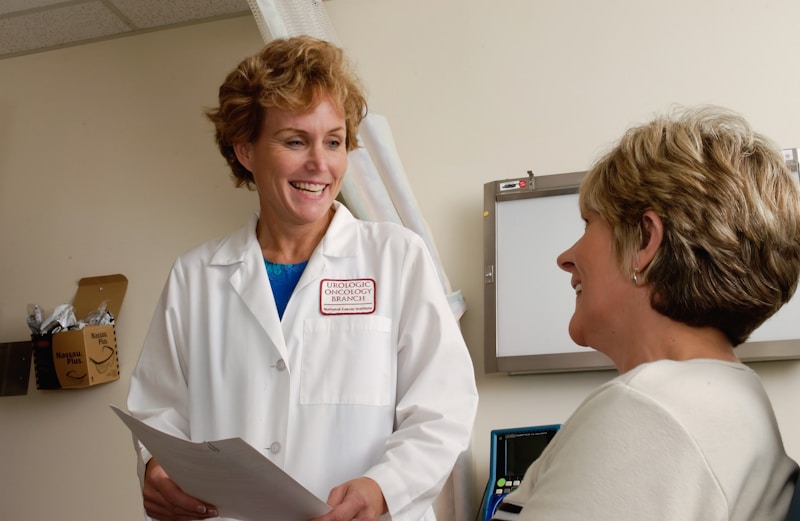
A nurse or coordinator will escort you to the consultation room. The dermatologist will:
- Examine your skin (often using a dermascope or skin analysis device)
- Discuss your concerns and goals
- Recommend a treatment plan with options at different price points
- Explain the procedure, expected results, and any downtime
Consultations are typically free or included in the treatment cost. If you only want a consultation without treatment, confirm the fee in advance — some clinics charge ₩30,000-50,000 ($23-$38) for consultation-only visits.
Step 3: Treatment
Once you agree on a plan, treatment often happens the same day. Common first-visit treatments include:
| Treatment | Typical Price (₩) | Typical Price ($) | Duration |
|---|---|---|---|
| Laser toning | ₩100,000-200,000 | $75-150 | 15-30 min |
| Hydrafacial | ₩150,000-250,000 | $115-190 | 30-45 min |
| Botox (one area) | ₩200,000-400,000 | $150-300 | 10-15 min |
| Skin boosters (Rejuran) | ₩400,000-650,000 | $300-500 | 20-30 min |
| Chemical peel | ₩80,000-150,000 | $60-115 | 20-30 min |
Prices as of February 2026. Exchange rate: ₩1,300 = $1. Actual costs vary by clinic and treatment area. Contact clinics directly for current pricing.
A nurse will prep your skin with cleansing and numbing cream if needed. The doctor performs the treatment, and post-care instructions are given before you leave.
Step 4: Payment
After your treatment, you will return to the front desk for payment.
Accepted payment methods:
- Credit/debit cards — Visa, Mastercard, and JCB accepted at most clinics. AmEx is less common.
- Cash (Korean Won) — Always accepted. Some clinics offer a 3-5% cash discount.
- Mobile payments — Alipay, WeChat Pay, Apple Pay, and Samsung Pay at select locations.
Important: Ask for an itemized receipt in English (영문 진료비 세부내역서) for insurance reimbursement or tax refund claims.
Step 5: Post-Treatment Care and Follow-Up
Before you leave, the clinic will:
- Apply post-treatment products (soothing masks, healing cream)
- Give you written aftercare instructions (often in English)
- Schedule a follow-up if needed (some treatments require 2-3 sessions)
- Provide an English-language medical certificate or treatment summary upon request
Essential Korean Phrases for Your Visit
You do not need to speak Korean to visit a clinic, but knowing a few key phrases helps:
| Korean | Pronunciation | English |
|---|---|---|
| 예약했어요 | ye-yak-hae-sseo-yo | I have a reservation |
| 피부과 | pi-bu-gwa | Dermatology clinic |
| 상담 원해요 | sang-dam won-hae-yo | I want a consultation |
| 얼마예요? | eol-ma-ye-yo? | How much is it? |
| 아파요 | a-pa-yo | It hurts |
| 알레르기 있어요 | al-le-reu-gi i-sseo-yo | I have allergies |
| 영어 되나요? | yeong-eo doe-na-yo? | Do you speak English? |
| 영수증 주세요 | yeong-su-jeung ju-se-yo | Please give me a receipt |
| 카드 돼요? | ka-deu dwae-yo? | Can I pay by card? |
| 감사합니다 | gam-sa-ham-ni-da | Thank you |
Communication Tips
- Papago app (by Naver) — The best Korean-English translation app, especially for medical terms.
- Google Translate camera mode — Point your phone at Korean consent forms for instant translation.
- Prepare photos — Reference photos communicate your goals across any language barrier.
- English-speaking staff — Clinics in Gangnam, Apgujeong, and Myeongdong frequently employ bilingual coordinators.
- Medical interpreters — Services like iipuda provide professional medical interpreters who accompany you to the clinic.
Cultural Tips and Etiquette
Korean clinics operate differently from what you may be used to at home:
- Punctuality matters — Arrive 10-15 minutes early for paperwork. Being late may mean losing your slot.
- Shoes off in some clinics — Some smaller clinics ask you to remove shoes at the entrance.
- Upselling is common — Doctors may suggest additional treatments. It is perfectly fine to politely decline.
- Quick pace — Consultations plus treatment typically take 30-60 minutes. The speed reflects experience, not carelessness.
- Package deals — Ask about combo pricing when combining multiple treatments.
- No tipping — Korea does not have a tipping culture.
Common First-Visit Treatments
The most popular options among foreign patients on their first visit:
- Laser toning — Brightens skin, reduces pigmentation. Minimal downtime.
- Hydrafacial — Deep cleansing and hydration. Zero downtime.
- Botox — Jaw slimming or wrinkle reduction. Results in 3-7 days.
- Skin boosters (Rejuran, Juvelook) — Improves texture and elasticity. Mild redness for 1-2 days.
- LED therapy — Often bundled with other treatments. Calms inflammation.
Frequently Asked Questions
Q: Do I need to speak Korean to visit a dermatology clinic? A: No. Clinics in Gangnam, Apgujeong, and Myeongdong have English-speaking coordinators. You can also use Papago or book through a service that provides interpreters.
Q: Can I get treatment on the same day as my consultation? A: Yes. Korean clinics are set up for same-day consultation and treatment.
Q: How do I get a tax refund on cosmetic treatments? A: Ask the clinic to process VAT refund paperwork with your passport. Claim the refund at the airport tax refund counter before departure.
Q: Is it safe to get dermatology treatments in Korea? A: Korean clinics are held to strict medical standards. Look for JCI-accredited clinics for extra confidence. Korea serves over 1 million foreign patients annually.
Q: How much should I budget for a first visit? A: A basic treatment costs $75-$190 (₩100,000-250,000). Combination packages range from $200-$500 (₩260,000-650,000).
Q: Do Korean clinics accept international credit cards? A: Visa and Mastercard are widely accepted. AmEx coverage varies. Carry some Korean Won as backup.
Final Thoughts
Your first dermatology visit in Korea does not need to be stressful. Come prepared with your passport, a clear idea of what you want, and the Papago app on your phone, and you will be well on your way to experiencing why Korean dermatology has earned its global reputation.
Ready to book your first appointment? Start by browsing clinics on Gangnam Unni or reaching out directly on KakaoTalk.
Prices as of February 2026. Exchange rate used: ₩1,300 = $1 USD. Actual costs may vary by clinic, treatment area, and market conditions. Contact clinics directly for current pricing.
⚠️ Medical Disclaimer: This article provides general information about dermatology clinic visits in Korea. It is not intended as medical advice. Always consult with a qualified healthcare professional before undergoing any medical or cosmetic procedure. Individual results and experiences may vary.
Last Updated: February 26, 2026 Reading Time: 7 minutes