Finding Honest Korean Clinic Reviews: Best Sites & Apps for Foreigners
Researching Korean skincare clinics before your visit is crucial for finding the right treatment and avoiding disappointment. While Korea is known for its advanced dermatology services, navigating Korean-language review platforms can feel overwhelming for international visitors. This comprehensive guide shows you exactly how to find honest Korean clinic reviews, which platforms to trust, and how to spot fake reviews—even if you don't speak Korean.
Why Korean Reviews Matter More Than English Reviews
When planning skincare treatments in Korea, Korean-language reviews provide far more valuable information than English reviews for several key reasons:
Volume and Diversity: Korean review platforms have hundreds of thousands of reviews from actual Korean patients, offering a much larger sample size than the limited English reviews available.
Authentic Local Experiences: Korean reviewers often provide detailed information about pricing, treatment processes, pain levels, and results that tourist-focused sites may gloss over.
Up-to-Date Information: Korean platforms are updated constantly with the latest clinic information, new treatments, and current pricing—essential in Korea's fast-moving aesthetic medicine market.
Verified Purchase Systems: Leading Korean review platforms have strict verification processes that make fake reviews much harder to post compared to international sites.
Top Korean Clinic Review Platforms
1. Gangnam Unni (강남언니) - Korea's #1 Medical Beauty Platform
What It Is: Gangnam Unni is Korea's largest and most trusted platform for plastic surgery, dermatology, and aesthetic treatment information. With millions of users, it's become the go-to resource for Koreans researching any cosmetic procedure.
Key Features:
- Real User Reviews: Extensive collection of verified patient reviews with before/after photos
- Price Comparisons: Compare treatment prices across multiple clinics instantly
- Booking System: Direct consultation booking with clinics through the app
- Photo Galleries: Thousands of before/after photos organized by procedure type
- Clinic Information: Detailed profiles of clinics including specialties, doctors, and facilities
Best For: Researching specific procedures, comparing prices, and seeing real before/after results from actual patients.
How Many Reviews: Hundreds of thousands of reviews across thousands of clinics nationwide, with particularly strong coverage in Seoul's Gangnam, Apgujeong, and Sinsa areas.
Verification System: Reviews are linked to actual bookings and treatments through the platform, helping ensure authenticity.
2. Yeoshin Ticket (여신티켓) - "The Naver of Skin Care"
What It Is: Launched in 2017, Yeoshin Ticket has grown to become one of Korea's most trusted platforms specifically for dermatology and skin treatments. With 3.4 million users, it's nicknamed "the Naver of skin care" for its comprehensive coverage.
Key Features:
- 900,000+ Verified Reviews: Massive database of "no-ad, my-own-money" reviews from real patients
- 4,300 Clinic Database: Information on 4,300 dermatology clinics out of 15,000+ nationwide
- Treatment Encyclopedia: Detailed explanations of various skin procedures and treatments
- Pricing Information: Treatment cost information across different clinics and regions
- Direct Booking: Schedule appointments directly through the app
- Strict Review Verification: One of the most rigorous verification systems in Korea
Best For: Finding honest, detailed reviews about skin treatments, comparing dermatology clinics, and researching treatment pricing.
Verification System:
- Users can only write reviews if they booked and paid through the app
- For direct clinic payments, users must upload receipt photos for verification
- This ensures reviews are from actual patients who received treatments
- Makes it nearly impossible for clinics to post fake positive reviews
Why It's Trusted: The verification process means reviewers can honestly share both positive experiences and disappointments, including specific complaints about service, results, or pricing. Unlike platforms with looser controls, you'll find genuinely critical reviews when warranted.
3. Naver Blog (네이버 블로그) - Detailed Personal Experiences
What It Is: Naver is Korea's largest search engine, and Naver Blog is where millions of Koreans share detailed personal experiences, including lengthy reviews of medical and aesthetic treatments.
Key Features:
- In-Depth Reviews: Blog posts often run 1,000-2,000 words with detailed day-by-day recovery updates
- Photo Documentation: Extensive before/after photos, often showing progression over weeks/months
- Personal Stories: Reviewers share decision-making process, concerns, and honest emotional experiences
- Treatment Timelines: Many reviewers document their entire journey from consultation through final results
Best For: Reading detailed personal experiences, seeing extensive photo documentation, and understanding long-term results.
Important Note: Naver blogs are less regulated than dedicated review platforms, so you need to be more careful about sponsored content (marked as "협찬" or "광고" in Korean).
How to Use Each Platform as a Foreigner
Using Gangnam Unni Without Korean
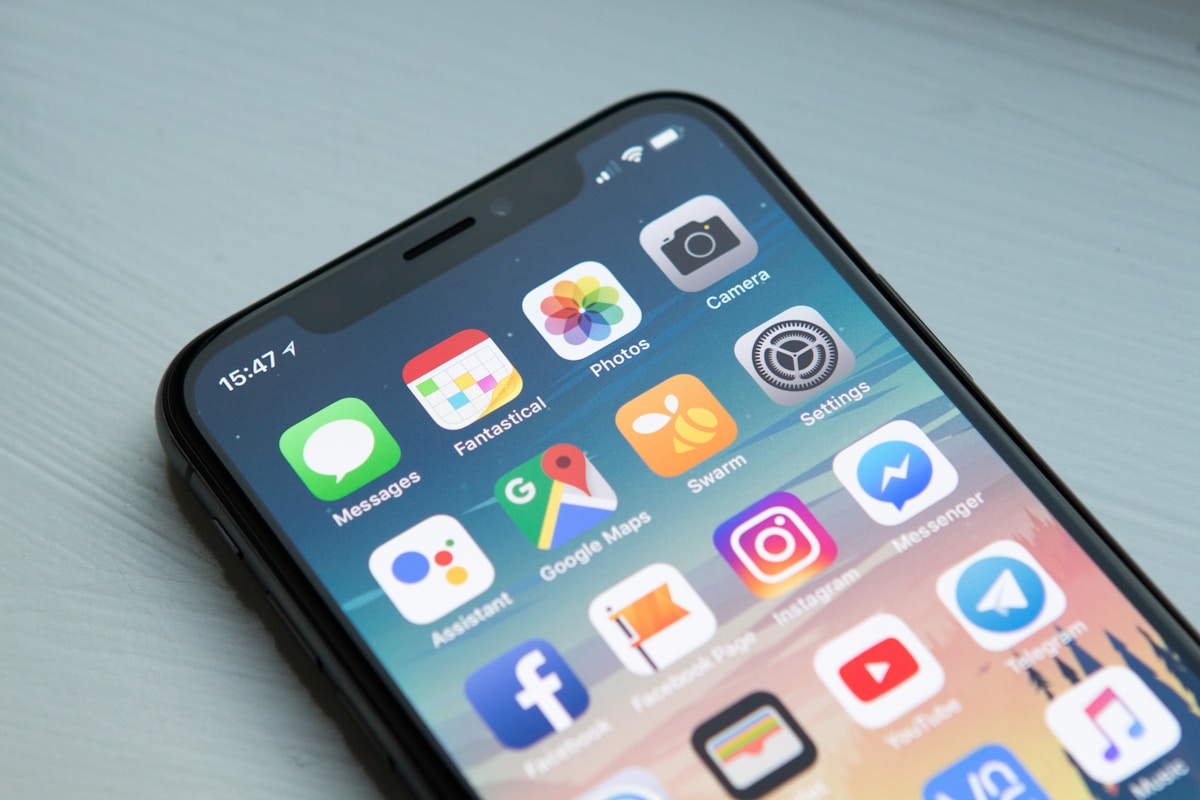
Step 1: Download the App
- Available on iOS App Store and Google Play
- Search "강남언니" or "Gangnam Unni"
- Interface is primarily in Korean but navigation is intuitive
Step 2: Navigate Key Sections
- 홈 (Home): Main feed with popular reviews and clinics
- 후기 (Reviews): Browse reviews by procedure type
- 병원 (Hospitals): Search clinics by location or specialty
- 가격 (Price): Compare pricing across clinics
Step 3: Use Built-in Translation
- iOS: Long-press on Korean text → "Translate"
- Android: Use Google Translate app's camera feature
- Chrome browser: Right-click → "Translate to English"
Step 4: Filter Reviews
- Look for reviews with photos (marked with camera icons)
- Sort by "최신순" (newest) to see recent experiences
- Filter by specific treatments you're interested in
Using Yeoshin Ticket for Research
Step 1: Access the Platform
- Download "여신티켓" app (iOS/Android)
- Website also available but app offers better functionality
Step 2: Search for Treatments
- Use the search bar (돋보기 icon)
- Enter treatment name in Korean (use Google Translate)
- Browse by category: 피부과 (dermatology), 시술 (procedures)
Step 3: Read Verified Reviews
- Look for "인증" (verified) badges on reviews
- Check reviewer's photo uploads for authenticity
- Pay attention to detailed reviews (longer = usually more genuine)
Step 4: Compare Prices
- Treatment listings show price ranges across clinics
- Prices shown in Korean won (₩)
- Use exchange rate: approximately ₩1,300 = $1 USD
Searching Naver Blogs Effectively
Step 1: Use Naver Search
- Go to naver.com
- Click "블로그" (Blog) tab
- Enter search in Korean: "[Treatment name] 후기" (review)
Step 2: Identify Authentic Reviews
- Look for "체험단" or "협찬" tags = sponsored content
- Prefer blogs with consistent posting history
- Check for detailed day-by-day updates
- Look for both positive and negative comments
Step 3: Use Translation Tools
- Copy blog URL into Google Translate
- Use Papago translator app (better for Korean-English than Google)
- Chrome browser auto-translate feature
Translation Tips for Non-Korean Speakers
Best Translation Tools
Papago (by Naver):
- Superior Korean-to-English translation compared to Google
- Available as app and web service
- Includes camera translation for screenshots
- Better understanding of Korean medical/beauty terminology
Google Translate:
- Good for quick translations
- Camera feature works well for app screenshots
- Useful for translating entire web pages
How to Translate Reviews:
- Take screenshots of Korean reviews
- Upload to Papago or Google Translate camera feature
- Read translated text (expect ~80% accuracy)
- Focus on key information: results, pain level, pricing, service quality
Key Korean Terms to Know
| Korean | Pronunciation | English |
|---|---|---|
| 후기 | Hu-gi | Review |
| 가격 | Ga-gyeok | Price |
| 효과 | Hyo-gwa | Effect/Results |
| 통증 | Tong-jeung | Pain |
| 부작용 | Bu-jak-yong | Side effects |
| 추천 | Chu-cheon | Recommend |
| 비추천 | Bi-chu-cheon | Not recommend |
| 병원 | Byeong-won | Hospital/Clinic |
| 상담 | Sang-dam | Consultation |
| 예약 | Ye-yak | Reservation |
How to Spot Fake Reviews
Even on verified platforms, some fake reviews slip through. Here's how to identify them:
Red Flags for Fake Positive Reviews
1. Generic Language
- Overly positive with no specific details
- Uses marketing language: "best ever," "miracle results," "amazing doctor"
- Lacks personal experience or specific procedure details
- No mention of any negatives, even minor ones
2. Missing Key Information
- No mention of pain levels or recovery time
- No pricing information shared
- No before/after photos (major red flag)
- Posted immediately after treatment (genuine reviews often come weeks later after seeing results)
3. Suspicious Patterns
- Multiple reviews for the same clinic posted in short timeframe
- Reviewer has only reviewed one clinic (genuine users often research multiple)
- Review history shows only 5-star reviews across different clinics
- Photo quality is too professional (likely marketing images)
4. Poor Korean Language
- Awkward phrasing suggesting non-native speaker or translation
- Formal marketing language rather than casual conversational tone
- Repeated use of clinic's official name rather than casual references
Red Flags for Fake Negative Reviews
Competitor Sabotage Signs:
- Extremely negative with no specific details
- Posted by brand new accounts with no history
- Multiple negative reviews posted around the same time
- Vague complaints without explaining actual experience
- Claims that seem exaggerated or unlikely
Signs of Authentic Reviews
Trustworthy Review Characteristics:
- ✅ Includes both positive and negative aspects
- ✅ Mentions specific details: doctor's name, exact procedure, date visited
- ✅ Discusses pain level, recovery time, and timeline to see results
- ✅ Shows genuine before/after photos (imperfect lighting, casual backgrounds)
- ✅ Mentions specific pricing and what was included
- ✅ Uses conversational Korean language with some slang
- ✅ Reviewer has history of reviewing multiple clinics/treatments
- ✅ Posted weeks or months after treatment (showing long-term results)
- ✅ Includes minor complaints or realistic expectations
What to Look for in Reviews
Essential Information to Extract
When reading Korean clinic reviews, focus on finding these key pieces of information:
1. Treatment Details
- Exact procedure performed
- Doctor or practitioner name
- Number of sessions required
- Products/brands used (filler brand, laser type, etc.)
2. Pricing Information
- Total cost paid
- What's included vs. additional charges
- Any promotions or discounts received
- Comparison to quoted price
3. Experience Quality
- Wait time and scheduling
- Staff English ability (if mentioned)
- Clinic cleanliness and atmosphere
- Consultation thoroughness
- Pressure to book or upselling attempts
4. Results and Recovery
- Immediate results vs. final results
- Timeline to see improvements
- Duration results lasted
- Any unexpected effects
- Downtime needed
5. Pain and Comfort
- Pain level during procedure (Korean reviews often rate 1-10)
- Anesthesia effectiveness
- Post-treatment discomfort
- Swelling/bruising duration
Practical Research Strategy for Foreigners
Step-by-Step Clinic Research Process
Week 4 Before Visit: Start broad research
- Search Gangnam Unni for your target treatment
- Identify 10-15 highly-rated clinics
- Read overview of each clinic's specialties
Week 3 Before Visit: Deep dive into reviews
- Read 20+ reviews per clinic on Yeoshin Ticket
- Use Papago to translate key reviews
- Note patterns in feedback (good and bad)
- Check Naver blogs for detailed experiences
Week 2 Before Visit: Narrow down options
- Compare pricing across your top 5 clinics
- Look for recent reviews (past 3 months)
- Check for clinics with English-speaking staff
- Verify clinic locations and accessibility
Week 1 Before Visit: Final verification
- Check if clinics are still operating (some close)
- Look for any recent negative trends in reviews
- Prepare questions based on review concerns
- Screenshot reviews showing good results
During Visit: Consultation verification
- Ask about specific concerns mentioned in reviews
- Verify pricing matches what reviews reported
- Trust your instincts if something feels off
- Don't feel pressured to book immediately
FAQ
Q: Can I trust reviews on Gangnam Unni and Yeoshin Ticket? A: Generally yes, especially on Yeoshin Ticket which has strict verification requiring payment proof. However, always read multiple reviews and look for patterns rather than relying on single reviews. Focus on verified reviews with photos and detailed experiences.
Q: How do I know if a Naver blog review is sponsored? A: Look for disclosure terms like "협찬" (sponsored), "체험단" (experience group), or "광고" (advertisement). Korean law requires bloggers to disclose sponsored content, though some may try to hide it. Genuine reviews typically include both pros and cons.
Q: Should I book through these apps or contact clinics directly? A: Booking through apps like Gangnam Unni or Yeoshin Ticket often gets you better prices and special promotions. You can also leave verified reviews afterward. However, contacting clinics directly may be necessary if you need English communication.
Q: What if all the reviews are in Korean and translation isn't clear? A: Focus on photos, ratings, and price information which are universal. Use Papago for better Korean-English translation than Google. Key terms like pricing (₩), pain level ratings, and before/after photos need minimal translation.
Q: How recent should reviews be to be relevant? A: Prioritize reviews from the past 6 months for current pricing and clinic quality. However, clinics with consistently good reviews over 1-2+ years are typically trustworthy. Be cautious if recent reviews suddenly turn negative.
Q: Are English-language review sites like RealSelf useful for Korean clinics? A: RealSelf and similar sites have limited Korean clinic reviews compared to Korean platforms. Use them as a supplement, but prioritize Korean review sites for more comprehensive and up-to-date information.
Q: What's the best way to compare prices across clinics? A: Use Gangnam Unni's price comparison feature, or check Yeoshin Ticket's treatment pricing section. Remember prices in reviews are in Korean won (₩). Current exchange rate: approximately ₩1,300 = $1 USD. Always confirm current pricing during consultation.
Conclusion
Finding honest Korean clinic reviews doesn't have to be intimidating, even for non-Korean speakers. By using trusted platforms like Gangnam Unni and Yeoshin Ticket, leveraging translation tools like Papago, and learning to spot fake reviews, you can research Korean skincare clinics as thoroughly as any local patient.
The key is to read multiple reviews across different platforms, look for verified reviews with detailed experiences and photos, and pay attention to patterns rather than individual opinions. Take your time with research—spending a few hours reading reviews can save you from disappointing results or overpriced treatments.
Ready to research your perfect Korean skincare clinic? Start by downloading Gangnam Unni and Yeoshin Ticket today, bookmark a few promising clinics, and begin reading through verified patient experiences. Your thorough research will pay off with better treatment choices and more confidence during your Seoul skincare journey.
Last Updated: January 5, 2026 Reading Time: 12 minutes